معرفی
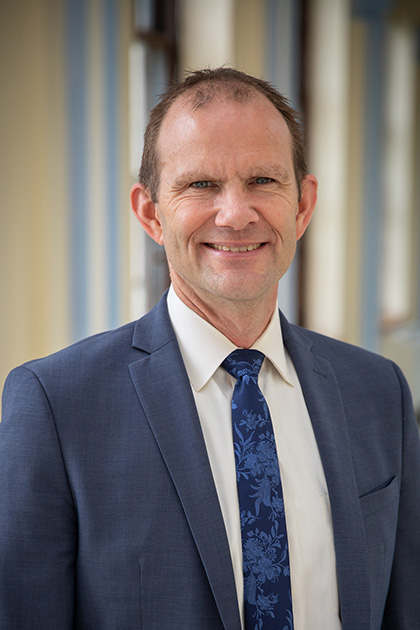
Temidayo Akenroye is an Associate Professor in the Department of Supply Chain and Analytics at the University of Missouri–St. Louis. He holds a PhD in Supply Chain Management from the University of Salford, a Master’s in Sustainability Leadership from the University of Cambridge, and another in Supply Chain & Logistics Management from the University of Salford. His research focuses on Supply Chain Management, Sustainability, Government Procurement, and challenges in African Development. He has advised governments in Kenya, Ghana, Mali, and Senegal on public procurement and supply chain interventions, linking over 20,000 smallholder farmers to school feeding programs. His work spans healthcare supply chains, digital transformation in industries, and barriers to SME participation in public tenders. Akenroye has authored/co-edited over 30 publications, including Africa and Sustainable Global Value Chains (Springer). He serves on the British Academy of Management’s Peer Review College, Africa Resource Centre’s Research Advisory Board, and is an Academic Advisor to the Kuehne Foundation. He has also delivered keynote lectures globally and appears frequently in media outlets like BBC and Al-Jazeera.
His research trends emphasize blockchain adoption in public systems, digital transformation in industries like steel, and health supply chain innovation, including drone-based vaccine delivery. Recent work explores racial disparities in agricultural supply chains and policy solutions for equitable trade. His publications frequently intersect sustainability, technology adoption, and systemic barriers in global value chains.
Grants & Advisory Roles:
- Consultant for Cooper/Smith USA on health supply chain decision-making in Kenya/Senegal
- Research projects funded by UK NHS, African governments, and international NGOs
- Advisor to organizations like the Kuehne Foundation and South Africa’s Africa Resource Centre
Labs/Teams: Engaged in multidisciplinary collaborations across universities (e.g., University of South Africa) and industry partners to address supply chain challenges in developing regions.