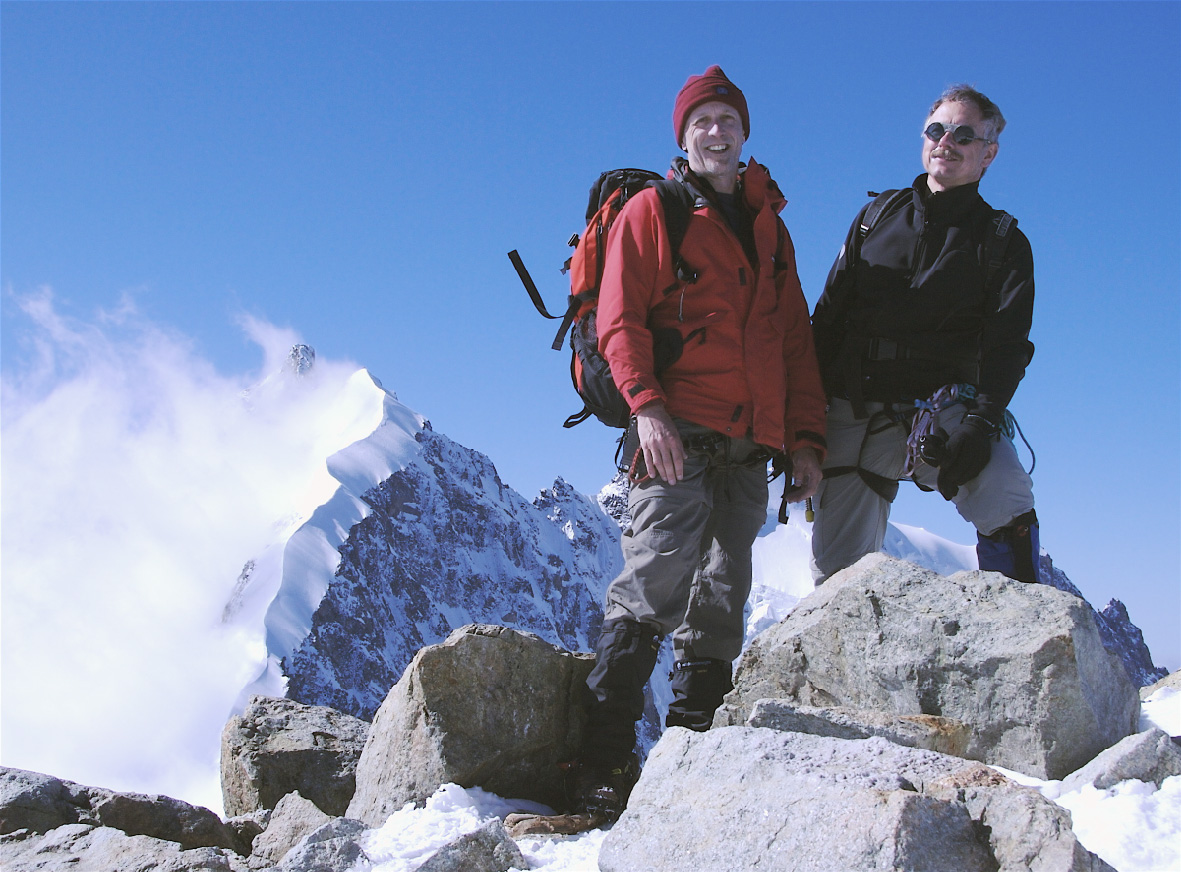
معرفی
Prof. Tadeusz J. Kawecki serves as an Associate Professor at the Department of Ecology and Evolution within the Faculty of Biology and Medicine at the University of Lausanne, where he leads research on evolutionary adaptation mechanisms since 2007 after prior academic appointments at the Universities of Fribourg and Basel.
His educational background includes:
- M.Sc. in Biology (1990) from Jagiellonian University, Kraków, Poland
- Ph.D. in Zoology (1993) from the University of Basel, Switzerland
Kawecki's research program investigates how organisms evolve adaptive traits in novel, variable, and stressful environments through experimental evolution in Drosophila melanogaster. His primary focus areas include the evolutionary biology of learning, adaptation to chronic nutritional stress, and consequences of sexual selection, employing integrated approaches combining laboratory experiments, mathematical modeling, and computational simulations to uncover fundamental evolutionary principles.
Analysis of his recent publications reveals consistent exploration of evolutionary trade-offs, particularly in gut physiology under malnutrition, cognitive impacts of sexual selection, and behavioral adaptations like predatory cannibalism. His work demonstrates strong integration of experimental data with theoretical frameworks across evolutionary biology, physiology, and behavioral ecology.
Prof. Kawecki actively mentors graduate students through his research group and organizes the annual Evolutionary Biology Workshop in the Alps, which trains Swiss and international PhD/Master students in research design, proposal development, and scientific communication. His prior academic trajectory includes postdoctoral positions at the University of Maryland and University of Helsinki.
His laboratory conducts experimental evolution studies using Drosophila melanogaster to examine population-level adaptation mechanisms, with particular emphasis on trade-offs between survival strategies under nutritional stress, the role of sexual selection in cognitive evolution, and the ecological implications of intraspecific behaviors like cannibalism.