معرفی
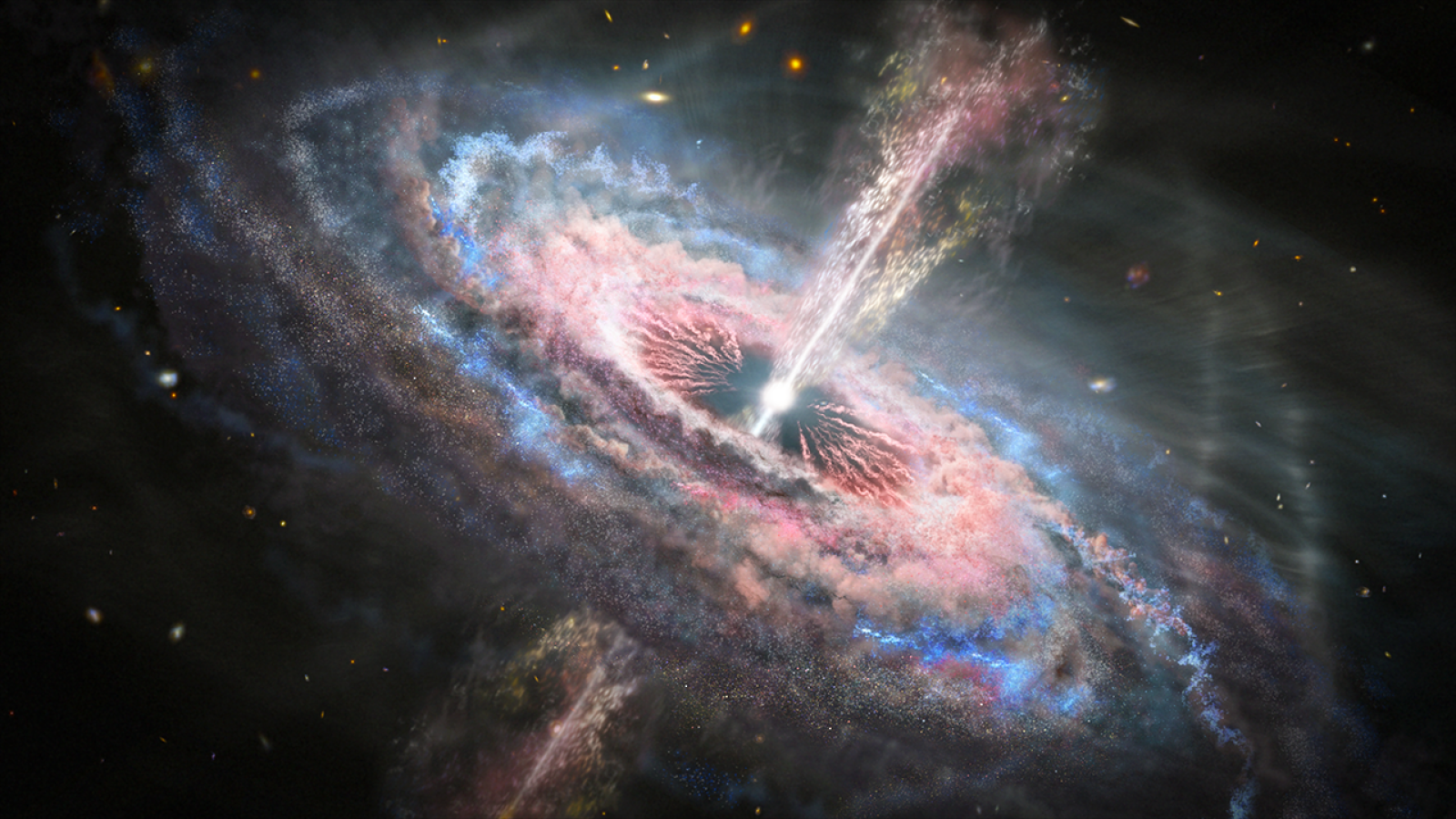
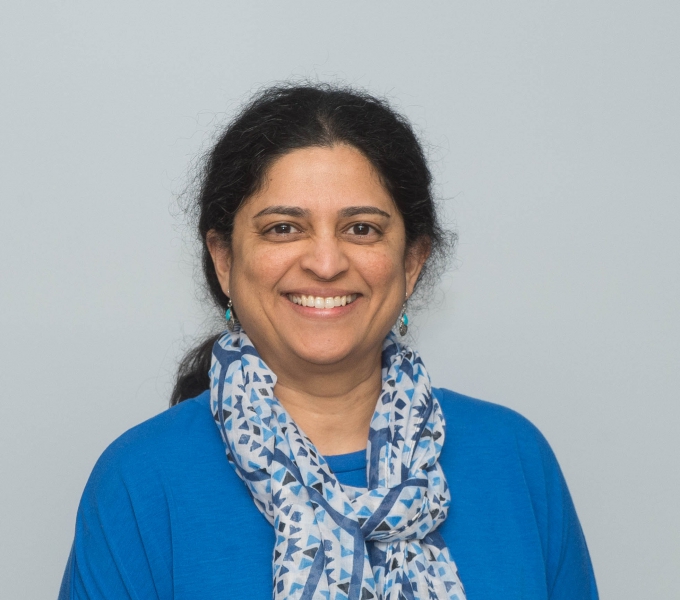
Sui Chi Woo serves as a Postdoctoral Researcher within the Department of Physics & Astronomy at the University of Pittsburgh's Dietrich School of Arts and Sciences, maintaining an active collaboration with the University of Hong Kong School of Public Health. Her position involves specialized research in high-energy astrophysical phenomena, particularly focusing on quasar environments and outflow dynamics.
Dr. Woo completed her doctoral studies at the University of Pittsburgh under the supervision of Professors Turnshek and Hillier. Her PhD dissertation, Constraining the Geometry, Size Scale, and Physical Conditions of Outflowing Broad Absorption Line Regions in Quasars, represents a significant contribution to extragalactic astrophysics through rigorous observational analysis and theoretical modeling.
Her research interests span astrophysics and cosmology with specialized expertise in quasar absorption lines, broad absorption line regions, and active galactic nuclei. Dr. Woo employs multi-wavelength spectroscopic techniques to investigate the physical conditions and geometrical structures of gas outflows, contributing to our understanding of how these phenomena influence galaxy evolution. Her work bridges observational astronomy with computational modeling to decode complex quasar spectra.
No scientific awards or honors have been documented in available sources for Dr. Woo, consistent with her early-career stage following doctoral completion.
As a postdoctoral researcher, Dr. Woo operates within established research frameworks rather than independently supervising students. She collaborates with faculty on grant-supported projects, though specific funding sources aren't detailed in public profiles. Her research activities involve shared instrumentation and computational resources within the department's astrophysics group.
Dr. Woo conducts her research through collaborative frameworks at both the University of Pittsburgh and University of Hong Kong, contributing to ongoing projects within existing research groups. She does not maintain a standalone laboratory but leverages shared facilities including the department's computational clusters and observational data archives for her quasar studies.