معرفی
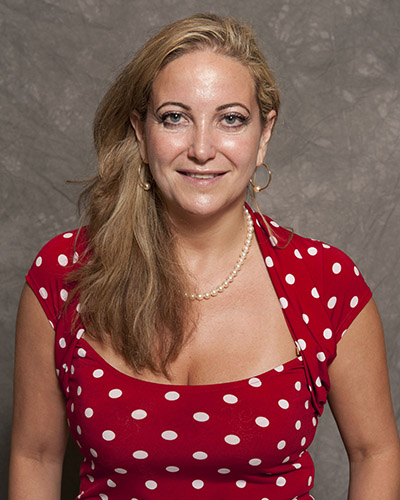
Steven Semes is a Professor at the University of Notre Dame’s School of Architecture, specializing in classical architecture and historic preservation. He joined the faculty in 2005 after 30 years of architectural practice. His research focuses on the recovery of classical architectural languages and their application in historic urban contexts. Previously, he directed the Rome Studies Program (2008–2011) and continues to collaborate with the Rome Global Gateway. He has authored influential books like The Future of the Past (2009) and The Architecture of the Classical Interior (2004), and contributes to journals such as Traditional Building and The New Criterion. He is a Fellow Emeritus of the Institute of Classical Architecture & Classical America and has received awards like the Clem Labine Award (2010).
Education:
- Bachelor of Science in Architecture, University of Virginia, 1975
- Master of Architecture, Columbia University, 1980
Research Interests: Semes explores the ethical and practical dimensions of preserving cultural heritage while fostering contemporary classical architecture. His work emphasizes the continuity between old and new in urban settings, advocating for contextual design that respects historical layers. He teaches courses such as History and Theory of Historic Preservation and Elements and Principles of Classical Architecture.
Publications: His recent articles address topics like the preservation of Paris’ skyline, inter-war Italian architects, and sustainable design strategies. He has edited journals like The Classicist and co-authored republications of seminal texts like Georges Gromort’s Elements of Classical Architecture.
Awards & Service:
- Member, Richard H. Driehaus Preservation Awards Jury
- Editorial Advisory Board, Change Over Time
- Visiting Research Fellow, The Prince’s Foundation
Professional Affiliations: He is active in organizations like the Society of Architectural Historians and the Congress for the New Urbanism. His career bridges academic research, practical preservation projects, and advocacy for traditional architectural values.