معرفی
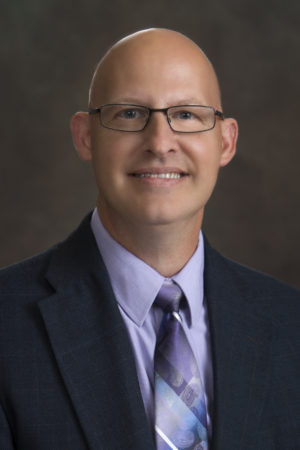
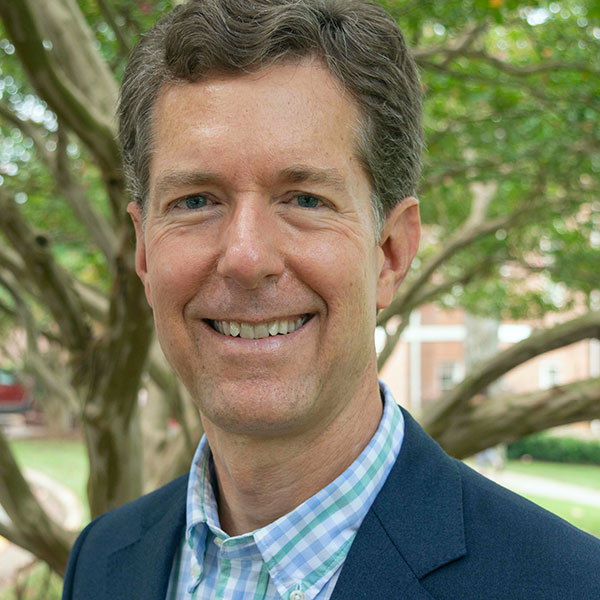
Stephen Sours is Professor of Religion and Chair of the Department of Religion and History at Huntingdon College, a United Methodist-affiliated institution. He holds a Ph.D. in Systematic Theology from Duke University, an M.Div. summa cum laude from Duke Divinity School, and a B.A. in French Literature from Hamilton College, with honors and international study in Paris.
- Ph.D., Systematic Theology, Duke University
- M.Div., Duke Divinity School, Duke University
- B.A., French Literature, Hamilton College
His research and teaching focus on Wesleyan theology, systematic theology, interfaith dialogue (particularly with Islam), ecclesiology, and United Methodist polity. He explores themes such as sacraments, moral formation, scripture and ethics, and Christology, often in ecumenical and interreligious contexts. His scholarly work bridges traditional Christian theology with contemporary global religious challenges.
His recent academic presentations reflect a strong engagement with Christian-Muslim theological comparison, Eucharistic theology, and political dimensions of faith. Topics include Trinitarian doctrine, Qur'anic hermeneutics, and the relationship between worship and evangelism, indicating a consistent interest in how theology shapes identity and action in the world.
Dr. Sours has received notable recognition in his field, including:
- John Wesley Fellow
- Dempster Graduate Fellow
- Duke University Graduate School Summer Research Grants
He has served in pastoral and mentoring roles, including as an ordained elder in the United Methodist Church, pastor in Pennsylvania, youth minister in the American Church in Paris, and mentor for the Duke Youth Academy. His advising and leadership extend beyond the classroom into church renewal and leadership development. While no formal research grants or labs are mentioned, his involvement with the Center of Theological Inquiry and academic societies underscores his active scholarly network.
Dr. Sours contributes to academic and ecclesial communities through presentations at the American Academy of Religion and Wesleyan Theological Society, reflecting sustained scholarship in theology and interfaith engagement.