معرفی
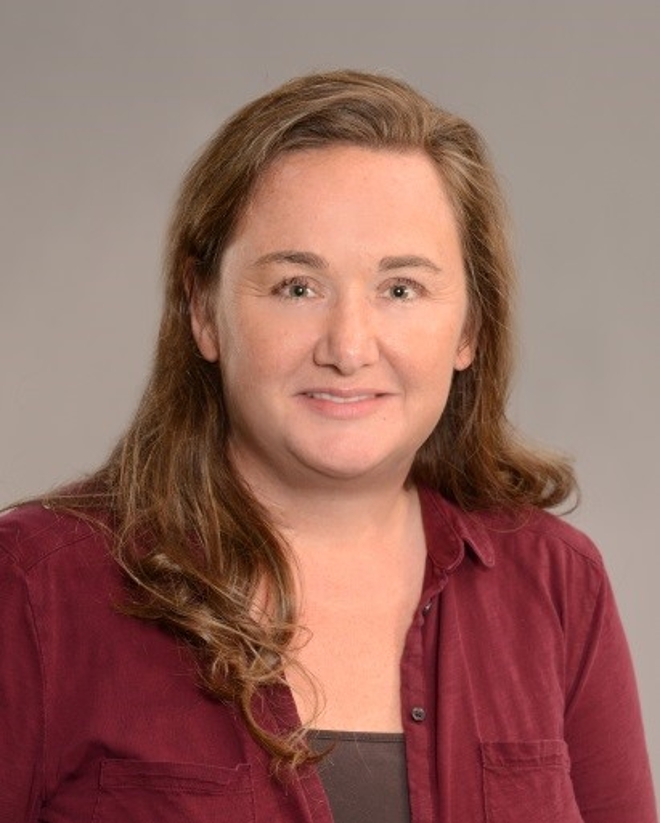
Stella Kantartzi is a Professor in the Department of Plant, Soil, and Agricultural Systems at Southern Illinois University Carbondale, where she has served since 2008. Her distinguished career includes securing over $7 million in federal and state grants, publishing more than 65 refereed manuscripts and six book chapters, and releasing five cultivars and seven germplasm lines.
Her educational credentials include:
- Ph.D. in Genetics and Plant Breeding, Aristotle University, Thessaloniki, Greece (2006)
- M.Sc. in Plant Breeding, Agronomy, and Weed Science, Aristotle University, Thessaloniki, Greece (2003)
- B.Sc. in Biology, Aristotle University, Thessaloniki, Greece (2000)
Dr. Kantartzi's research focuses on soybean genetic improvement through integrated approaches combining molecular techniques with traditional breeding. Key areas include:
- Development of high-yield cultivars with multi-disease resistance
- Application of advanced lab/field methodologies for accelerated germplasm development
- Identification and characterization of novel genetic variation sources
Her recent publications reveal a concentrated effort in soybean pathology (QTL mapping for Frogeye Leaf Spot and Sudden Death Syndrome resistance), agronomic optimization (row spacing in double-crop systems), and interdisciplinary studies bridging information theory with biocultural systems. This work consistently targets practical agricultural solutions through genetic innovation.
Notable recognitions include:
- Editor’s Citation for Excellence from the Crop Science Society of America (2015)
- Patriotic Employer Award (2010, 2011)
As an active educator teaching PSAS 405 (Plant Genetic Improvement), PSAS 560A&B (Field Plot Technique), and PSAS 592 (Special Problems), she mentors students through research-intensive coursework while directing a substantial grant-funded program. Her editorial roles for high-impact journals demonstrate significant influence in the agricultural science community.
Though specific lab structures aren't detailed, her collaborative publications indicate cross-disciplinary teamwork with plant pathologists, agronomists, and molecular biologists focused on sustainable crop improvement.