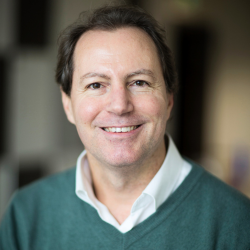
معرفی
Stefan Scheding is a Professor and consultant at Lund University, holding multiple prestigious positions including Principal Investigator at the Division of Molecular Hematology (DMH), StemTherapy: National Initiative on Stem Cells for Regenerative Therapy, and LUCC: Lund University Cancer Centre. He serves as Research Team Manager for Bone Marrow Stem Cells and Cellular Therapies, demonstrating his leadership in cutting-edge hematology and stem cell research.
Dr. Scheding's primary research interests focus on Stem Cell Research, Hematology, and Bone Marrow Biology. His work particularly examines stromal cell biology, the hematopoietic microenvironment, and myeloproliferative neoplasms. Through advanced techniques like single-cell RNA sequencing and three-dimensional spatial mapping, his research provides critical insights into bone marrow niche populations and their role in health and disease. His research fingerprint reveals strong expertise in Mesenchymal Stem Cells (100%), Bone Marrow (94%), Stromal Cell biology (66%), and Patient-focused research (51%).
Dr. Scheding maintains an active publication record with recent work focusing on the characterization of bone marrow stromal niche populations, spatial mapping of the hematopoietic microenvironment, and clinical studies on myelofibrosis. His research demonstrates a consistent trajectory toward understanding the cellular and molecular mechanisms underlying blood disorders and developing novel therapeutic approaches.
As an active supervisor and mentor, Dr. Scheding has contributed to the development of emerging researchers in the field. His current projects include "Investigating the mechanisms of fibrosis development in myeloproliferative neoplasms" (2024-2027) funded by Cancerfonden and "Studier av fibrosutveckling vid barnleukemi i en humaniserad benmärgsmodell" (2024-2026) funded by The Swedish Childhood Cancer Fund, demonstrating his ongoing commitment to advancing therapeutic approaches for blood disorders.
Dr. Scheding is actively involved in the academic community through organizing workshops, seminars, and conferences, including multiple LUCC events focused on blood, lymphoma, and myeloma research. His leadership in these initiatives helps foster collaboration and knowledge exchange in the hematology and stem cell research fields, positioning him as a key figure in Lund University's research ecosystem.