معرفی
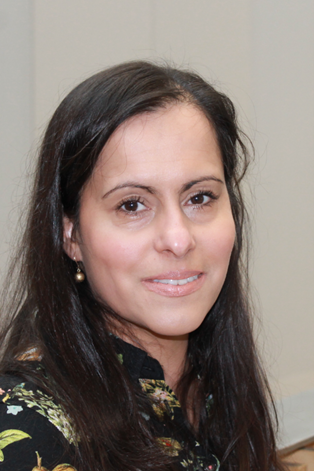
Stacie Burke is an Associate Professor in the Department of Anthropology at the Faculty of Arts, University of Manitoba, specializing in biocultural approaches to human biology. Her research examines how culturally-constructed stressors from historical transformations—including agricultural revolution, industrialization, colonization, and capitalism—impact health and disease through evolutionary and epidemiological frameworks.
Her educational background includes a PhD in Biological Anthropology from the University of Toronto (1999), MSc (1993), and BSc (1992), followed by SSHRC post-doctoral fellowships at McMaster University (2000-2002) and University of Victoria (1999-2000), and a CPA in Narrative Medicine from Columbia University (2020).
Dr. Burke's research spans biomedical anthropology, anthropological demography, and infectious disease studies, with emphasis on population-based case studies of health transitions. Her work critically analyzes how niche-based stressors from major societal shifts manifest in biological outcomes, particularly through tuberculosis epidemiology, reproductive health, and microevolutionary processes.
Analysis of her publications (2003-2024) reveals consistent focus on historical epidemiology of tuberculosis across diverse contexts (Gibraltar, Toronto, Nova Scotia), evolving toward contemporary issues like autism and hypoxia. Key themes include architecture of medical practice, occupational health, and biocultural analysis of stressors, demonstrating interdisciplinary integration of anthropology, history, and public health.
Her scholarly contributions have been recognized with:
- 2020 J.J. Talman Award (Ontario Historical Society) for Building Resistance: Children, Tuberculosis, and the Toronto Sanatorium
- 2019 Toronto Book Awards longlist for the same monograph
- 2007 Outstanding Achievement Award (Faculty of Arts, University of Manitoba)
Dr. Burke actively mentors graduate students (accepting Master's and PhD candidates) and teaches courses including ANTH 1210 (Human Origins), ANTH 2240 (Plagues and People), and ANTH 4860/7930 (Biomedical Anthropology). Her research program demonstrates sustained commitment to analyzing health-disease dynamics through historical and biocultural lenses, with significant contributions to understanding tuberculosis across temporal and spatial contexts.