معرفی
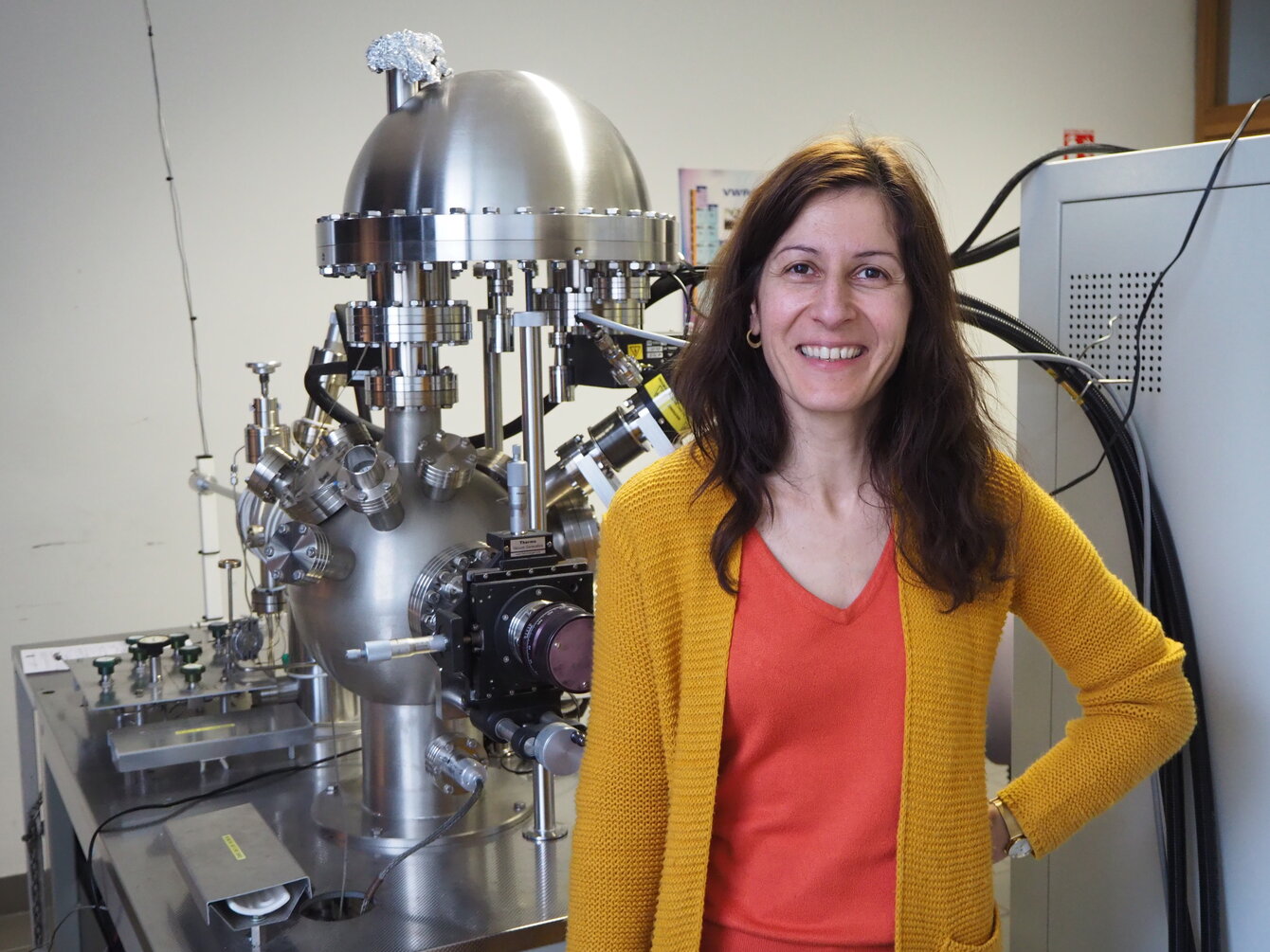
Spiros Zafeiratos is a Research Director at the Institute of Chemistry and Processes for Energy, Environment and Health (ICPEES), a joint research unit of the University of Strasbourg and the CNRS (UMR7515), France. He is based at the ECPM building and leads research in advanced catalytic materials and surface science for energy applications. His work bridges fundamental surface analysis with practical applications in clean energy technologies.
- Ph.D. in Surface Science, University of Patras, Greece (2000)
- Master of Science in Science and Technology of Materials, University of Patras, Greece (2000)
- Bachelor of Science in Physics, University of Patras, Greece (1995)
- HDR (Habilitation to Supervise Research), University of Strasbourg, France (2011)
Dr. Zafeiratos's research focuses on heterogeneous catalysis, particularly in energy-related processes such as solid oxide electrolysis cells (SOEC), CO2 utilization via electrolysis and methanation, and hydrogen generation. His expertise lies in the preparation, characterization, and evaluation of catalytic materials using advanced surface analysis techniques including quasi in situ XPS, NAP-XPS, NEXAFS, EXAFS, and XANES. These methods allow for deep insights into surface chemistry under realistic operating conditions.
His recent publications highlight a strong trend in designing and understanding promoted catalysts—particularly ceria- and cobalt-based systems—for CO2 electroreduction and CO purification. The work emphasizes material synthesis, performance enhancement, and mechanistic understanding, contributing significantly to the development of sustainable energy technologies.
He has held significant research positions, including Research Fellow at CNRS (2007–2018), and postdoctoral fellowships at the Fritz Haber Institute in Berlin and ICE-HT/FORTH in Patras. He is actively publishing in high-impact journals such as Applied Surface Science, Nano Energy, and ACS Catalysis.
Dr. Zafeiratos supervises research and likely mentors PhD students and postdoctoral researchers, given his HDR qualification and leadership role. He collaborates extensively with researchers across Europe and is associated with multiple joint publications. There is no mention of specific grants or awards in the provided text, but his sustained research output and CNRS affiliation suggest active grant funding.
He is part of a vibrant research environment at ICPEES, contributing to the Catalysis and Materials department, and participates in institutional scientific activities and workshops.