معرفی
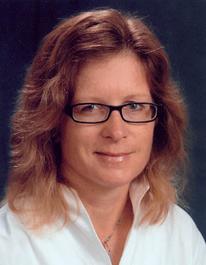
Siobhan Toal, Ph.D., serves as an Assistant Teaching Professor in the Department of Chemistry & Biochemistry within Rowan University's College of Science & Mathematics. Her academic role integrates advanced teaching responsibilities with cutting-edge research in biophysical chemistry, focusing on molecular behavior in aqueous environments and protein conformational dynamics.
Her research program centers on fundamental mechanisms governing peptide and protein structure, with specialization in unfolded state thermodynamics, intrinsically disordered proteins (particularly alpha-synuclein), and solvent-mediated conformational equilibria. Key investigations include nearest-neighbor interaction effects, N-terminal acetylation impacts on neurodegenerative disease pathways, peptide hydrogel formation mechanics, and entropy-enthalpy compensation phenomena. Methodologically, she combines vibrational/UV spectroscopy, rheology, and computational modeling to dissect molecular interactions at atomic resolution.
Analysis of Dr. Toal's publication trajectory (2015-2020) reveals consistent thematic focus on statistical coil states, anti-cooperative residue interactions, and water's role in mediating conformational preferences. Her work demonstrates sophisticated integration of experimental biophysics with theoretical frameworks, particularly in elucidating alpha-synuclein's dual roles in neuronal function and pathology. A distinctive pattern emerges in her approach to characterizing entropy contributions to protein folding through systematic nearest-neighbor analysis.
No scientific awards were documented in the provided materials.
While specific grant details and student mentorship records remain unspecified in available sources, her faculty position indicates active participation in undergraduate/graduate education within Rowan's chemistry programs. Her research likely involves training students in spectroscopic techniques and computational analysis through departmental research initiatives.
Current laboratory infrastructure and collaborative team structures are not explicitly described, though her publication methodology suggests access to advanced spectroscopy facilities and computational resources within the Department of Chemistry & Biochemistry.