معرفی
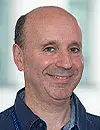
Simon Mackay serves as Professor of Medicinal Chemistry at the Strathclyde Institute of Pharmacy and Biomedical Sciences, University of Strathclyde, with 25 years of expertise in drug discovery research and academic leadership. His institutional affiliations include membership in the Royal Society of Chemistry, Royal Pharmaceutical Society, and roles on the Scottish Universities Life Sciences Alliance Expert Advisory Panel and Research Excellence Framework 2014 assessment panel.
His educational background comprises a BPharm (Hons) from the University of Bath (1984) and a PhD in Medicinal Chemistry from the University of Manchester (1990).
Mackay's research centers on cancer drug discovery, particularly prostate cancer therapeutics through a £3.0M CRUK-funded program involving multidisciplinary teams of medicinal chemists, phytochemists, and clinicians. His work extends to kinesin Eg5 inhibitors, Ubiquitin Proteasome System targeting, and PTP1B inhibitor development, with strong industry collaborations including Hunter-Fleming and Kyorin Pharmaceutical. Recent publications reveal concentrated expertise in NFκB pathway modulation for cancer and inflammatory diseases, demonstrating translational applications in prostate cancer and cutaneous syndromes.
His major recognition includes:
- Fellow of the Royal Pharmaceutical Society (FRPS) (2024)
Mackay has secured over £4.8M in external funding during the past five years, including awards from CRUK, Prostate Cancer UK, MRC, and Scottish Enterprise. He has supervised five research students and maintains active roles in international knowledge exchange through SMSdrug.net and the Drug Discovery Portal (DDP). His grant portfolio features high-impact projects like the £9.3M Ubiquitin Proteasome System initiative and current collaborations such as TargoPep oligonucleotide delivery platform development.
He co-founded SMSdrug.net (EPSRC-BBSRC-MRC initiative) and directs the Drug Discovery Portal, establishing global networks that integrate academic drug discovery resources across international institutions to accelerate therapeutic development.