معرفی
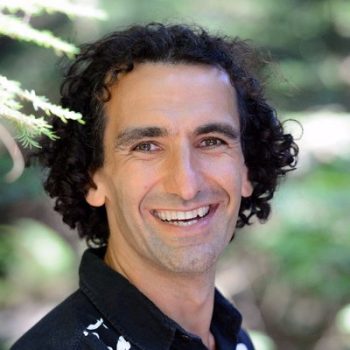
Simon Donner is a Professor of Climate Science at the University of British Columbia, holding appointments in the Institute for Resources, Environment and Sustainability (IRES), the Department of Geography, and the Institute for the Oceans and Fisheries. His research bridges climate science, marine ecosystems, and policy, with a focus on coral reef resilience, climate adaptation, and global environmental governance. Donner serves as Director of UBC’s Climate Solutions Research Collective and as a member of Canada’s Net-Zero Advisory Body, advising on national climate targets. He earned his PhD from the University of Wisconsin-Madison, M.E.M. from Duke University, and B.Arts.Sc. from McMaster University.
His work emphasizes translating climate science for public and policy audiences, including leadership roles in the IPCC and frequent media engagement. Donner’s research spans coral reef dynamics in the Pacific, sediment transport in river basins like the Fraser River, and the societal impacts of climate extremes. He advises graduate students through IRES, Geography, and Oceans and Fisheries programs, emphasizing interdisciplinary approaches to climate challenges.
Key projects include long-term studies in Kiribati assessing climate impacts on atoll resilience and global coral bleaching patterns. Donner advocates for equitable climate policies, balancing scientific rigor with actionable solutions. His lab, the Climate and Coastal Ecosystem Lab (CCEL), addresses interdisciplinary issues from ocean warming to emissions reduction strategies.
- Education: PhD (UW-Madison), MEM (Duke), B.Arts.Sc. (McMaster)
- Key Roles: IPCC Lead Author, Net-Zero Advisory Body Member, Director of Climate Solutions Research Collective
- Research Themes: Coral reef resilience, climate policy, ocean ecosystems, extreme weather adaptation
Donner’s publications highlight climate adaptation challenges, coral bleaching mechanisms, and behavioral interventions for reducing emissions. He emphasizes the urgency of integrating scientific insights into real-world decisions to build resilient communities and ecosystems.