معرفی
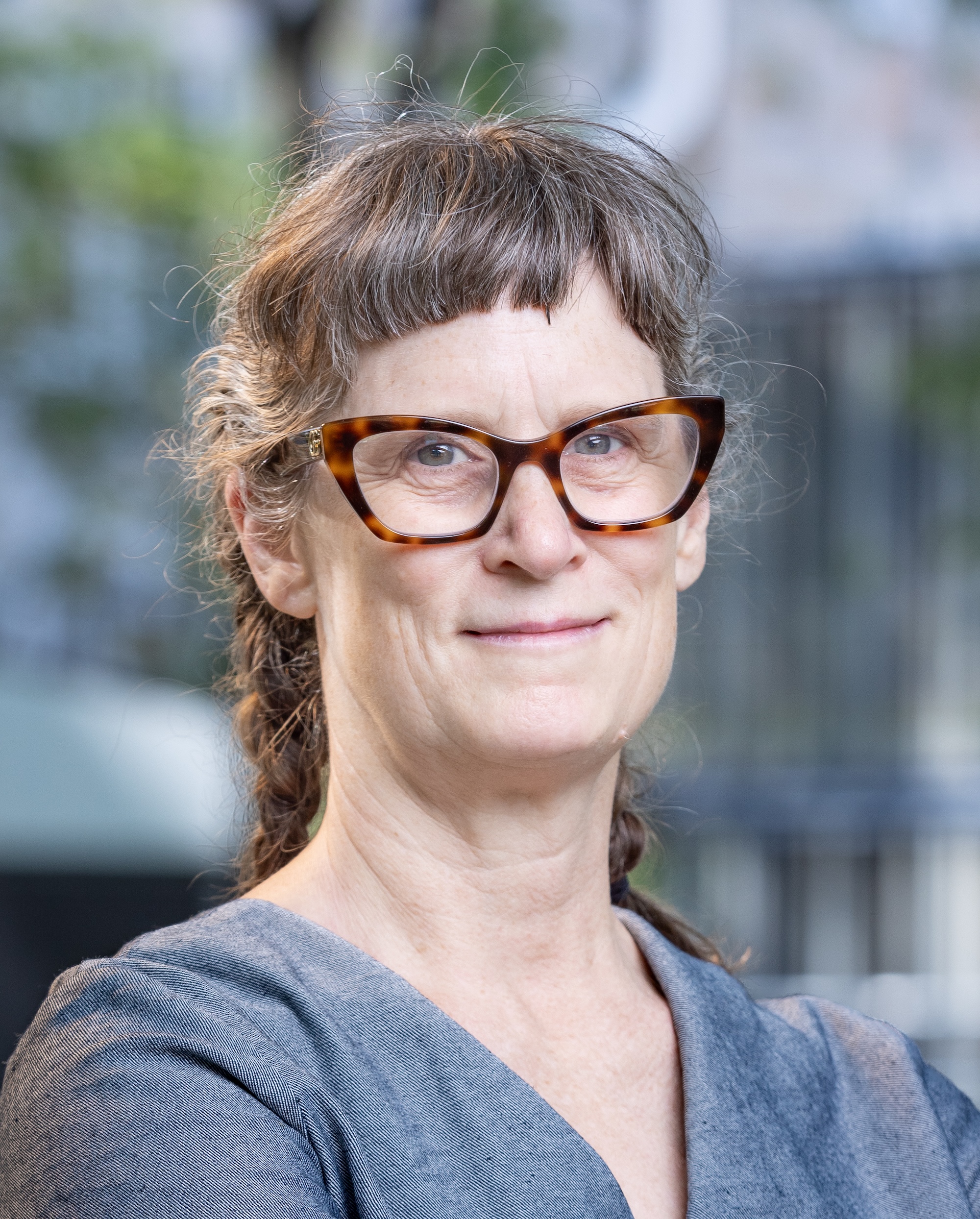
Silvana Cardell is an Associate Professor of Dance and Director of the Dance Program at Georgian Court University in Lakewood, New Jersey, where she has served since 2009. She is also the Artistic Director of Cardell Dance Theater in Philadelphia and serves as Choreographer and Movement Consultant at the Wilma Theater in Philadelphia.
Her educational background includes a Master of Fine Arts in Choreography from Temple University (2004) and a Bachelor of Fine Arts in Dance from The University of the Arts in Philadelphia (1990). Originally from Buenos Aires, Argentina, she previously directed dance companies including SCardell Danza Teatro and Escuela De Danza Del Abasto in Buenos Aires.
Cardell's research focuses on social practice including Human and Animal Rights, with a deep commitment to dismantling systemic white supremacy that has disproportionately affected BIPOC communities. Her choreographic work examines justice themes through performances that explore bodies, borders, and migration. Her recent Guggenheim Fellowship project 'Disposable Bodies' critically examines the treatment of both human and nonhuman bodies, asking fundamental questions about who counts as human and whose lives are valued.
She approaches dance education by connecting students to their bodies and innate movement abilities, teaching with historical context that emphasizes the work of female, queer, and BIPOC artists. Cardell promotes developing 'intelligent bodies' that move in healthy, pleasurable ways, viewing dance as 'a series of actions and reactions rather than being a shallow representation of emotions.'
- Guggenheim Fellowship (2022) for 'Disposable Bodies'
As Artistic Director of Cardell Dance Theater, she creates performances addressing social justice issues, believing that 'artistic expression and imagination can promote essential global change.' Her work 'Supper' explores migration experiences through powerful imagery that creates empathy beyond what statistics or images typically achieve. Cardell's teaching philosophy encourages dancers to find refined responses to movement actions while subjecting bodies to 'thrilling forces, clear pathways, and rhythmic patterns,' aiming to develop the next generation of innovative artists and scholars.