معرفی
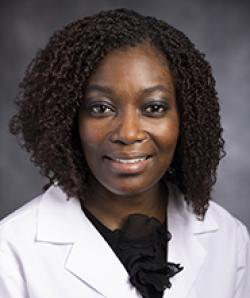
Dr Shoba Amarnath is an active immunologist and Research Fellow at Newcastle University, UK. Her work focuses on T-regulatory cell biology, innate lymphoid cells (ILCs) and PD-1/PD-L1 checkpoint signalling in the contexts of autoimmunity, cancer immunotherapy and human ageing.
Education & Affiliations
- Current appointment: Newcastle University, Newcastle upon Tyne, United Kingdom.
Research Interests
Dr Amarnath’s research integrates cellular immunology, ageing biology and translational medicine. She investigates how PD-1 and other immune checkpoints sculpt the function of regulatory T cells and innate lymphoid cells, with the goal of designing novel immunotherapies for autoimmune diseases, graft-versus-host disease (GVHD) and cancer. Additional interests include autophagy-mediated survival programmes in T cells, metabolic reprogramming of immune cells during ageing, and engineering nanoparticle-based targeted drug-delivery systems for breast cancer.
Publication Trends
Across more than 25 peer-reviewed articles since 2004, her work has progressed from early studies on TGF-β, Foxp3 and HIV immunopathogenesis to recent high-impact investigations dissecting ILC heterogeneity, PD-1 biology beyond CD8⁺ T cells, and translational nanoparticle platforms. A clear trajectory from basic mechanistic discovery toward pre-clinical therapeutic application is evident, with an increasing emphasis on ageing and oncology over the past five years.
Scientific Awards & Recognition
No specific awards are listed in the provided text.
Research Funding & Collaborations
While grant details are not explicitly stated, her extensive multi-author publications with colleagues such as Prof Avan Sayer, Prof Derek Mann and Prof Marloes Peeters, among others, indicate active interdisciplinary collaborations spanning immunology, ageing science, nanomedicine and oncology.
Laboratory & Teams
Dr Amarnath works within the vibrant immunology and ageing research community at Newcastle University, contributing to projects that bridge fundamental immunology with clinical translation, particularly in the areas of immune senescence and cancer immunotherapy.