معرفی
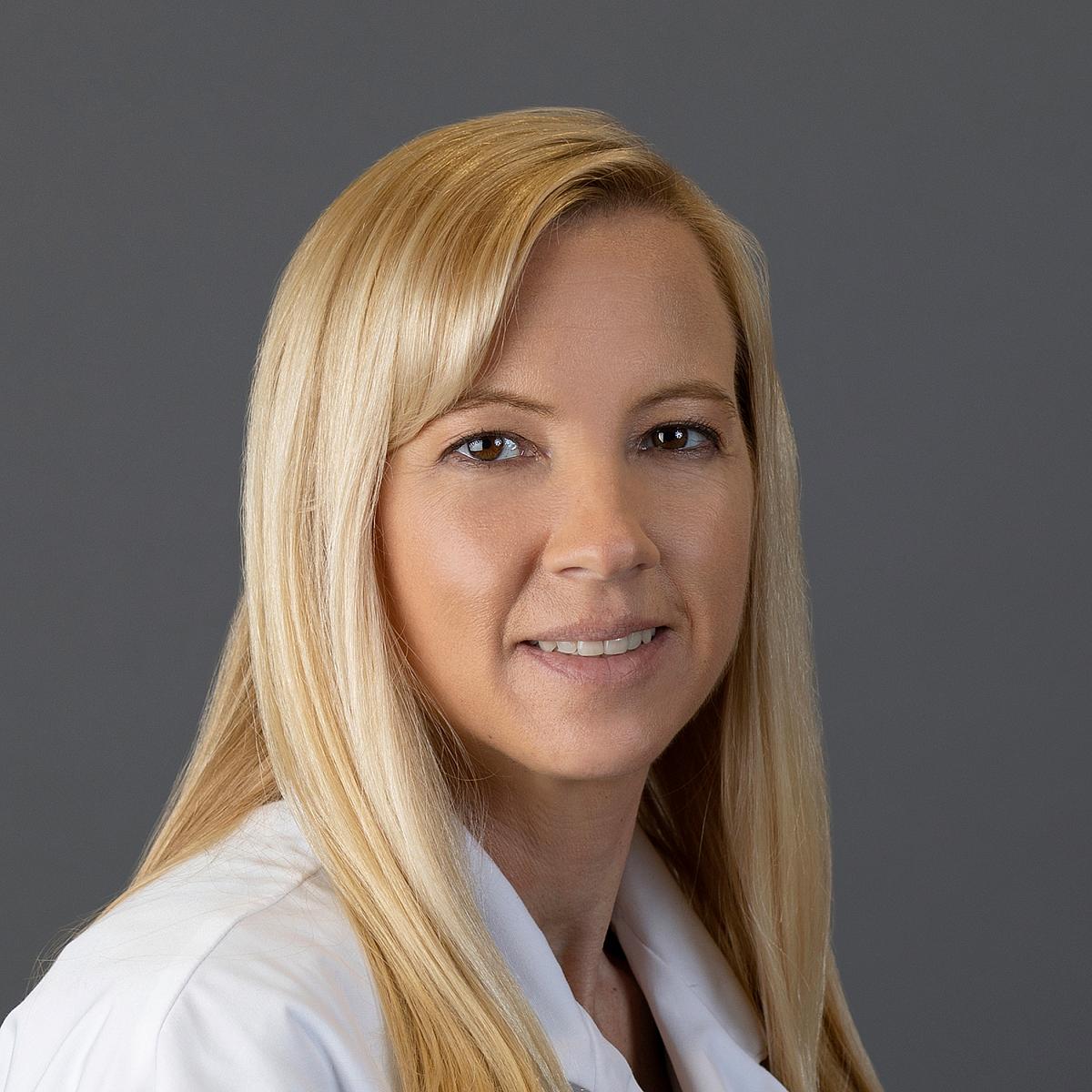
Sheri Holmen, Ph.D. is a Professor of Surgery and Adjunct Professor of Oncological Sciences at the University of Utah, and co-leads the Cell Response and Regulation Program and Melanoma Center at the Huntsman Cancer Institute (HCI). Her laboratory employs sophisticated genetically-engineered mouse models to dissect the molecular circuitry governing melanoma and glioblastoma initiation, progression, and therapeutic resistance.
Education:
- B.S. – Western Michigan University
- Ph.D. – Mayo Clinic College of Medicine
Research Focus:
Dr Holmen’s team concentrates on high-priority oncogenic pathways—PI3K/AKT/mTOR, MAPK, and focal adhesion kinase (FAK)—leveraging conditional RCAS/TVA retroviral systems to introduce precise genetic alterations in melanocytes and neural progenitors. The overarching goal is to uncover tractable therapeutic targets for metastatic melanoma and glioblastoma, particularly brain metastases that portend dismal prognosis.
Scientific Impact & Trends:
Across more than 100 peer-reviewed publications since 2012, Holmen’s group has demonstrated convergent mechanisms of resistance to BRAF/MEK inhibition, identified ARF6-mediated immune evasion, and validated combinatorial FAK + RAF/MEK blockade as a strategy to overcome micro-environmental resistance. Their 2024–2025 output emphasises metabolic liabilities (OXPHOS, CNDP1) and rational immunotherapy combinations.
Current Funding & Collaborations:
- Principal investigator on multiple NCI-funded R01 and P30 awards via HCI.
- Founding steering committee member of the international InterMEL consortium (>2,000 early-stage melanomas) to discover prognostic biomarkers.
- Co-investigator on Utah Genome Project and Oncology Research Information Exchange Network initiatives.
Laboratory & Resources:
The Holmen laboratory occupies modern space within the HCI research tower and maintains dedicated SPF animal facilities for RCAS/TVA modelling, high-throughput drug screening suites, and single-cell genomics cores. Cross-disciplinary teams include bioinformaticians, translational pharmacologists, and clinician-scientists to accelerate bench-to-bedside translation.