معرفی
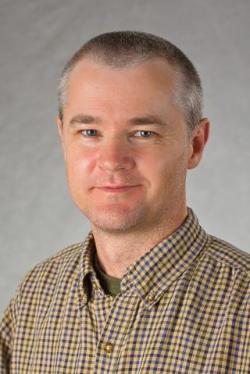
Shelley Cargill serves as an Associate Professor in the Department of Biological Sciences at San José State University, specializing in reproductive physiology and aging research using mammalian models.
Education:
- PhD in Physiology, University of California, Davis, 1998
- MS in Animal Science, University of California, Davis, 1993
- BS in Animal Science, California Polytechnic State University, San Luis Obispo, 1991
Research Focus: Dr. Cargill's work centers on the female reproductive system's role in aging processes, particularly through ovarian transplantation studies in mice. Her laboratory investigates how young ovarian tissue transplants into aged females influence lifespan extension, cardioprotection, and metabolic regulation. Additional research examines estrous cycling correlations with longevity and analgesic impacts on angiogenesis within transplanted tissue, bridging reproductive biology and gerontology.
Publication Analysis: Her 15-year publication trajectory (1995-2010) reveals consistent focus on ovarian-aging interactions, with mouse models dominating her experimental approach. Key themes include lifespan modulation through ovarian transplantation (2009-2010), metabolic consequences of reproductive status (2010), and genetic influences on fertility (1995-2000), demonstrating interdisciplinary connections between reproductive endocrinology, genetics, and aging biology.
Awards:
- No scientific awards documented in source materials
Academic Contributions: While specific student mentorship details are unavailable, her collaborative publications with researchers like J.R. Carey and G.B. Anderson indicate active laboratory supervision. Grant funding specifics remain undisclosed, though her sustained publication record suggests successful research funding acquisition through mechanisms like NIH or NSF grants supporting reproductive aging studies.
Research Environment: Dr. Cargill's work appears conducted within collaborative networks spanning multiple institutions, particularly involving University of California researchers, though dedicated laboratory facilities or team structures aren't explicitly described in available documentation.