Sheila Curran Bernard
استاد · United States 19th and 20th century history
University at Albany SUNYمعرفی
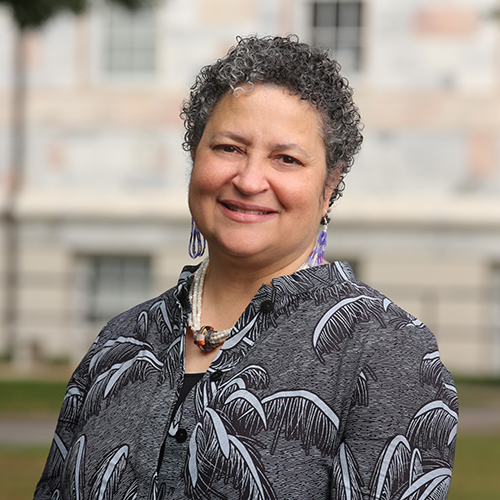
Sheila Curran Bernard serves as Glen Trotiner Professor of Visual Storytelling and Director of the Graduate Program in Public History within the Department of History at the University at Albany. An Emmy and Peabody Award-winning filmmaker with nearly 50 hours of broadcast credits, she joined the faculty in 2008 after serving as the Anschutz Distinguished Fellow in American Studies at Princeton University.
Her educational credentials include:
- MFA, Goddard College
- BS, Boston University
Bernard specializes in United States 19th and 20th century history, African American history, and documentary media, with research examining systemic racism through figures like Lead Belly. Current projects include the sixth edition of Documentary Storytelling analyzing AI's impact on nonfiction media, an oral history of DeKalb, Texas, and photo documentation of Micronesia's Satawal atoll.
Her publication trajectory reveals deepening engagement with African American historical narratives and documentary ethics, evolving from foundational filmmaking guides to monographs reclaiming marginalized histories like Bring Judgment Day (2024), which reframes Lead Belly's legacy through Jim Crow-era injustices.
Key honors include:
- Emmy and Peabody Awards
- National Endowment for the Humanities Public Scholar Award (2021)
- SUNY Chancellor’s Award and dual University at Albany President’s Awards
- MacDowell and VCCA residencies
- Geri Ashur fellowship from NYFA
- 2025 Jazz Journalism Association Award finalist
As Graduate Program Director, Bernard mentors students in public history and documentary studies through courses like HIS/DOC 224 (Narrative and Historical Media) and HIS 607 (Seminar and Practicum in History and Media). Her NEH-funded research examines documentary ethics in the streaming era, bridging academic scholarship with public engagement through film and writing.
Bernard leads collaborative projects including the Institute for History and Public Engagement, developing community-based oral histories and archival documentation that integrate historical research with nonfiction storytelling techniques.