معرفی
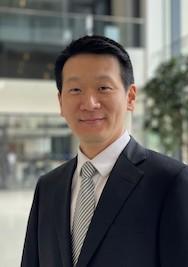
Dr. Seung Kim is a Professor in the Department of Electrical & Computer Engineering at Baylor University, where he leads the Kim Research Group focused on developing optical cavity-based biosensors for point-of-care diagnostics. He holds a PhD in Optical Science and Engineering from the University of Alabama in Huntsville and teaches courses such as EGR 4390 - Engineering Design II.
- PhD, Optical Science and Engineering, University of Alabama in Huntsville (2004)
- MS, Electrical and Computer Engineering, University of Alabama in Huntsville (2004)
- BS, Physics, University of Suwon, South Korea (1998)
Dr. Kim's research centers on photonic biosensors, micro- and nano-devices, and integrated optics, with a strong emphasis on translational medical technologies. His lab develops cost-effective, scalable solutions for diagnostic applications, particularly leveraging optical cavities and microfluidics. The interdisciplinary nature of the work bridges engineering, optics, and biomedicine to address real-world healthcare challenges.
The recent publications reflect a sustained focus on innovative sensor design and fabrication methods, particularly in microfluidic integration and optical sensing for medical diagnostics. Trends show a commitment to practical, low-cost, and high-performance biomedical devices suitable for point-of-care use.
- NSF CAREER Grant (2014)
- OSA Senior Member (2017)
Dr. Kim has actively mentored numerous graduate and undergraduate students, including M.S. and Ph.D. candidates such as Savanah Smith, Marzhan Sypabekova, and Jenna Kleiss. His lab has been supported by competitive grants, including an NIH grant awarded in 2022 to advance optical cavity-based biosensors. He continues to recruit new talent and expand research opportunities for students.
The Kim Research Group is an active, interdisciplinary team at Baylor University advancing bio- and micro-device technologies. The lab has recently welcomed new undergraduate and graduate researchers and is engaged in publishing review and research articles, organizing major conferences like ISOEN 2024, and translating innovations into practical applications.