معرفی
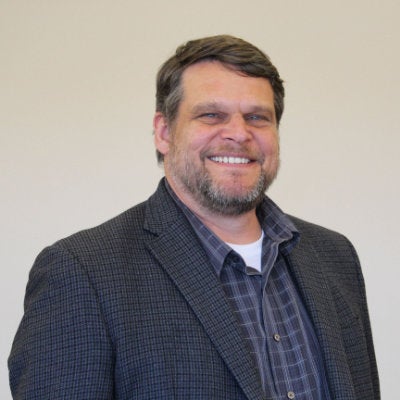
Seth Peabody serves as Assistant Professor of German in the Department of German and Russian at Carleton College, where he has taught since 2020. He coordinates the German Minor program and actively contributes to campus sustainability initiatives through the Climate Emergency and Technology Committee of the German Studies Association.
His educational background includes a PhD in German from Harvard University (2015) and a dual BA/BMus from Northwestern University (2004).
Peabody's research bridges German cultural production with pressing ecological and social concerns, examining how literature and film engage with the Anthropocene, disability representation, and social justice movements. His work demonstrates how language education can foster environmental sustainability and equity, particularly through innovative approaches to cultural competency and textual interpretation that extend beyond traditional classroom boundaries.
His recent publications reveal a cohesive scholarly trajectory centered on German environmental humanities, with recurring themes including mountain cinema as ecological archive, critical examinations of Heimat narratives, and pedagogical innovations for inclusive language instruction. This body of work establishes him as a significant voice in interdisciplinary German studies.
His scientific recognition includes:
- DAAD Re-Invitation Grant (2024) and Laird Memorial Fellowship (2024-2025) for 'Beyond Green Germany' research
- Rachel Carson Fellowship (2019) and Fulbright IIE Grant (2013-2014)
- Mellon Periclean Faculty Leadership award (2022-23)
- Best Article award in Die Unterrichtspraxis (2020)
- Multiple Carleton College research and curriculum grants (2019-2023)
Peabody mentors students through Carleton's Student Research Partnership program (2020-2022) and develops grant-funded initiatives like the DAAD-supported environmental humanities seminar series. His collaborative work with colleagues on German language pedagogy demonstrates commitment to program innovation.
He maintains active scholarly engagement as Vice President of the Minnesota AATG chapter and through his fellowship at the Rachel Carson Center for Environment and Society, where he contributes to global environmental humanities discourse.