معرفی
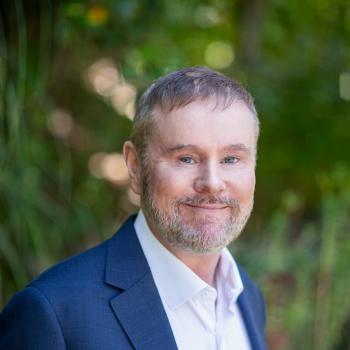
Sean Bendall is an Associate Professor in the Department of Pathology at Stanford University School of Medicine. He is a member of Bio-X, the Stanford Cancer Institute, and the Wu Tsai Neurosciences Institute, reflecting his interdisciplinary research in human development, immunology, and disease. His work integrates stem cell biology, hematopoiesis, and advanced single-cell technologies such as CyTOF and MIBI to define normal and pathological cellular states.
- PhD, University of Western Ontario (2008)
- BSc, University of Victoria (2002)
Dr. Bendall's research centers on understanding the mechanisms regulating human system development, with a focus on protein regulators, human-specific pathobiology, and single-cell dynamics. He develops and applies high-content single-cell analysis methods to study hematopoiesis, immunology, neurodegeneration, and cancer. His lab creates frameworks for mapping cellular identity and function, enabling mechanistic insights into diseases like leukemia, glioma, and Alzheimer's. He is particularly known for pioneering work in spatial proteomics and computational methods for single-cell data.
His recent publications reveal trends in hematopoietic progenitor diversity, glioma evolution, microglial states in Alzheimer's, maternal-fetal immunology, and novel computational tools like HSS-LDA. These works emphasize a systems-level, multi-omic, and spatially resolved approach to understanding human disease.
Notable scientific awards include:
- NIH Director's New Innovator Award (2016)
- NIH Pathway to Independence Award (2013)
- Dale F. Frey Breakthrough Scientist (2012)
- ISAC President's Award of Excellence (2012)
- CIHR Fellowship (2009)
- Damon Runyon Fellowship (2009)
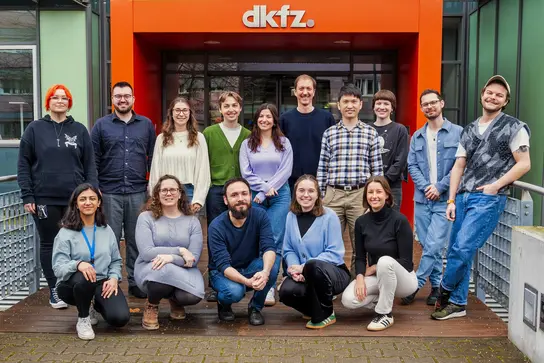
Dr. Bendall mentors a broad group of trainees, including doctoral students and postdoctoral fellows, and teaches courses in immunology and pathology. He advises students in the Immunology PhD Program and supervises graduate research across multiple disciplines. His lab fosters collaborative science, with strong ties to computational biology, cancer research, and regenerative medicine. He leads a dynamic research team advancing the frontiers of single-cell and spatial biology.