معرفی
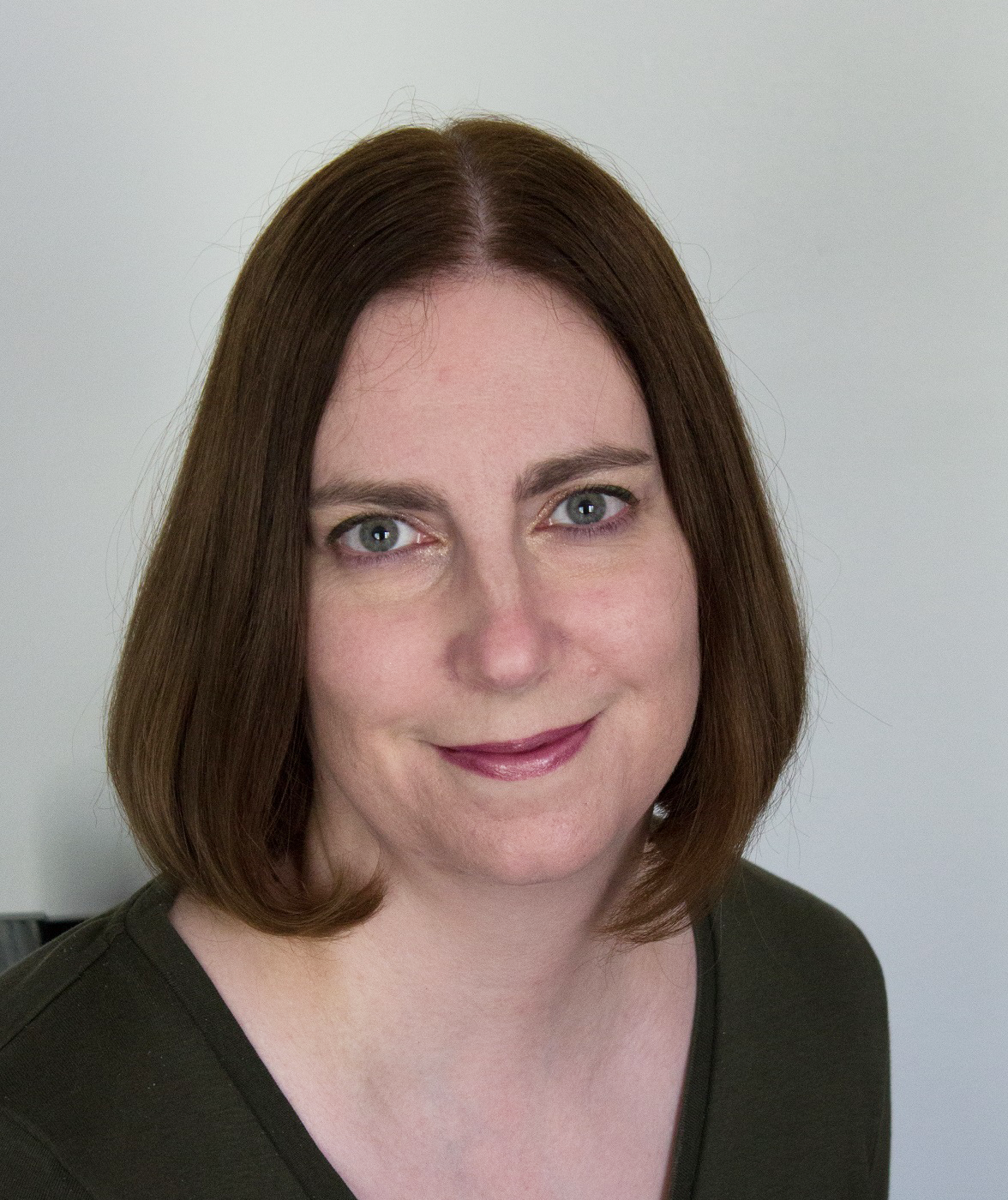
Sarah Symons is a Professor in the School of Interdisciplinary Science at McMaster University and an associate member of the Department of Physics & Astronomy. She serves as Coordinator of the instructional and design team for the Honours Integrated Science Program (iSci) at McMaster University.
Dr. Symons earned her BSc Honours Degree in Mathematics and Astronomy and PhD in History of Astronomy from the University of Leicester in the UK. Her academic career began as an academic pedagogical project manager in the UK before joining McMaster University, where she has served as a pedagogical designer and teaching professor in the Honours Integrated Science Program.
Her research spans two primary domains: ancient Egyptian astronomy and science education pedagogy. In ancient Egyptian astronomy, she investigates astronomical texts and instruments from ancient Egypt, examining how the sky was perceived and described up to 4500 years ago. Her work includes detailed studies of diagonal star tables, sundials, water clocks, and other astronomical instruments. In science education, her major interests center around science literacy and scientific skills development, with scholarship focused on pedagogical research, educational consultancy for active learning and assessment design, and international collaborative projects.
Dr. Symons' publications demonstrate consistent interdisciplinary work bridging historical astronomy with contemporary educational practices. Her research reveals expertise in both detailed archaeological analysis of ancient astronomical practices and innovative approaches to modern science education, with recurring themes including time measurement systems, celestial observation methods, and pedagogical approaches to teaching complex scientific concepts.
- MacPherson Institute Impact Fellowship (2015)
- Visiting professorship at the University of Tokyo (2016)
- President's Award for Excellence in Teaching and Learning (2022)
Dr. Symons has guided numerous undergraduate students through the Honours Integrated Science Program, implementing a structured approach to developing research skills that progresses from instructor-dependence to independent original research. She has been actively involved in international collaborative projects that have benefited both student bodies and faculty members while addressing institutional strategic agendas such as internationalization. Her work extends to curriculum development and educational innovation, particularly through problem-based learning approaches and the design of modern interdisciplinary science teaching laboratories.