معرفی
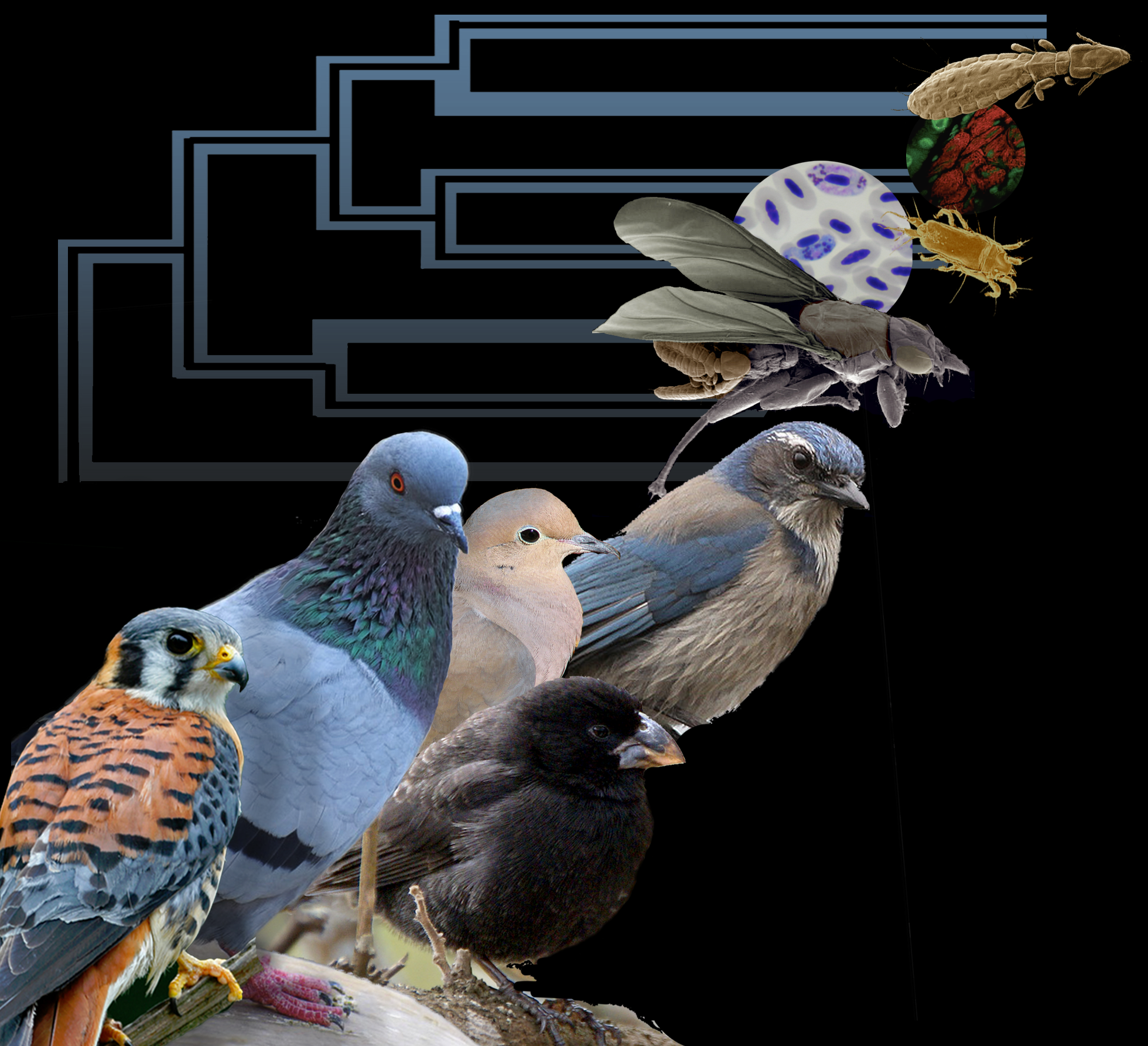
Sarah Bush is a Professor in the Department of Biology at the University of Utah's College of Science, where she serves in the Ecology, Evolution & Organismal Biology graduate program. Her research examines the evolutionary ecology of host-parasite interactions, with emphasis on host specificity and adaptive radiation in parasites. Based in ASB 562A, she maintains the Clayton/Bush Lab (http://darwin.biology.utah.edu/) focused on experimental evolution of feather lice.
Her primary research spans host-parasite coevolution, parasitology, and conservation biology, investigating how ecological factors drive host-switching in parasites. She specializes in feather lice (Phthiraptera) on birds, studying cryptic coloration, grooming behaviors, and climate impacts on parasite communities. Her work integrates macroevolutionary analysis, genomics, and field studies to address fundamental questions in evolutionary ecology.
Analysis of her 15 most recent publications (2023-2025) reveals dominant themes in chewing lice systematics (particularly the Brueelia-complex), experimental adaptive radiation, and host defense mechanisms. Key trends include genomic studies of endosymbiotic bacteria, climate change effects on parasite diversity, and the role of avian grooming behavior in parasite control across diverse bird species.
Her notable recognition includes:
- Henry Baldwin Ward Medal (2021) from the American Society of Parasitologists
Professor Bush teaches graduate course Biology 5555: Ecology and Evolution of Parasites and Pathogens. Her research is supported by collaborative grants including NSF's "Digitization TCN" project for tracing parasite-host associations. She actively mentors graduate students and contributes to community taxonomic resources for parasite digitization.
The Clayton/Bush Lab conducts cutting-edge experimental evolution research using feather lice and avian hosts, examining rapid adaptive radiation, reproductive isolation, and coevolutionary arms races. Current projects integrate genomics, field ecology, and behavioral studies to understand parasite diversification and host defense strategies.