معرفی
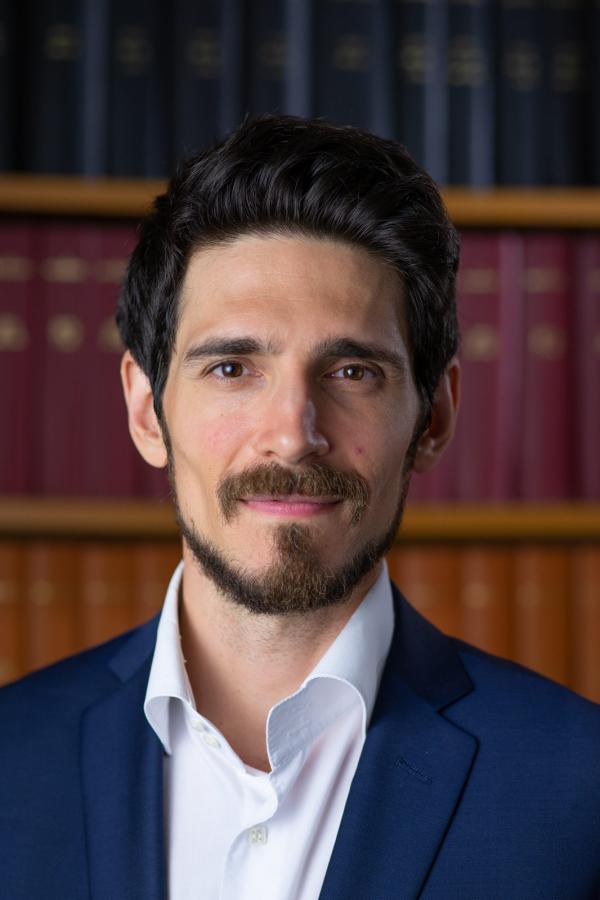
Sanjay Manohar is an Associate Professor in the Department of Experimental Psychology at the University of Oxford and Honorary Consultant. He leads the Computational Neurology Group, focusing on how neural processes underpin cognition. His work integrates computational modeling with EEG, fMRI, and single-neuron data to study dopamine, acetylcholine, and frontal lobe dysfunction in Parkinson's disease and neurological disorders.
He holds a PhD and MBPsS qualification, alongside an MRCP. Key educational milestones include a Junior Research Fellowship at Lady Margaret Hall (Oxford) and training at Imperial College and UCL. His research emphasizes decision-making, motivation, and working memory, with a focus on neurotransmitter systems and their disruptions in disease.
Major achievements include the 2020 Thomas Willis Prize, 2019 Leverhulme Grant, and multiple teaching awards. His lab collaborates with Professors Masud Husain, Mark Stokes, and Rafal Bogacz to explore cognitive neuroscience questions through neuropsychological methods. Techniques include eye-tracking, pupillometry, computational modeling, and neuroimaging.
Recent publications highlight work on working memory in neurodegenerative diseases, decision-making in Parkinson's, and apathy mechanisms in Huntington's disease. He has pioneered smartphone-based pupillometry for clinical applications and explored genetic influences on cognitive aging. His research bridges clinical neurology with computational theory, addressing translational challenges in neuropsychiatric disorders.
Grant activities include MRC and Wellcome Trust funding, while educational contributions span Oxford's teaching awards and innovation grants. He oversees a multidisciplinary team including postdocs, PhD students, and undergraduates, fostering collaborative research environments through weekly lab meetings.
Notable labs/teams: Computational Neurology Group (Oxford), with access to neurological patient cohorts and advanced neuroimaging facilities. Current projects investigate dopamine's role in multi-dimensional learning, cholinergic modulation of attention, and translational biomarkers for Parkinson's disease.