معرفی
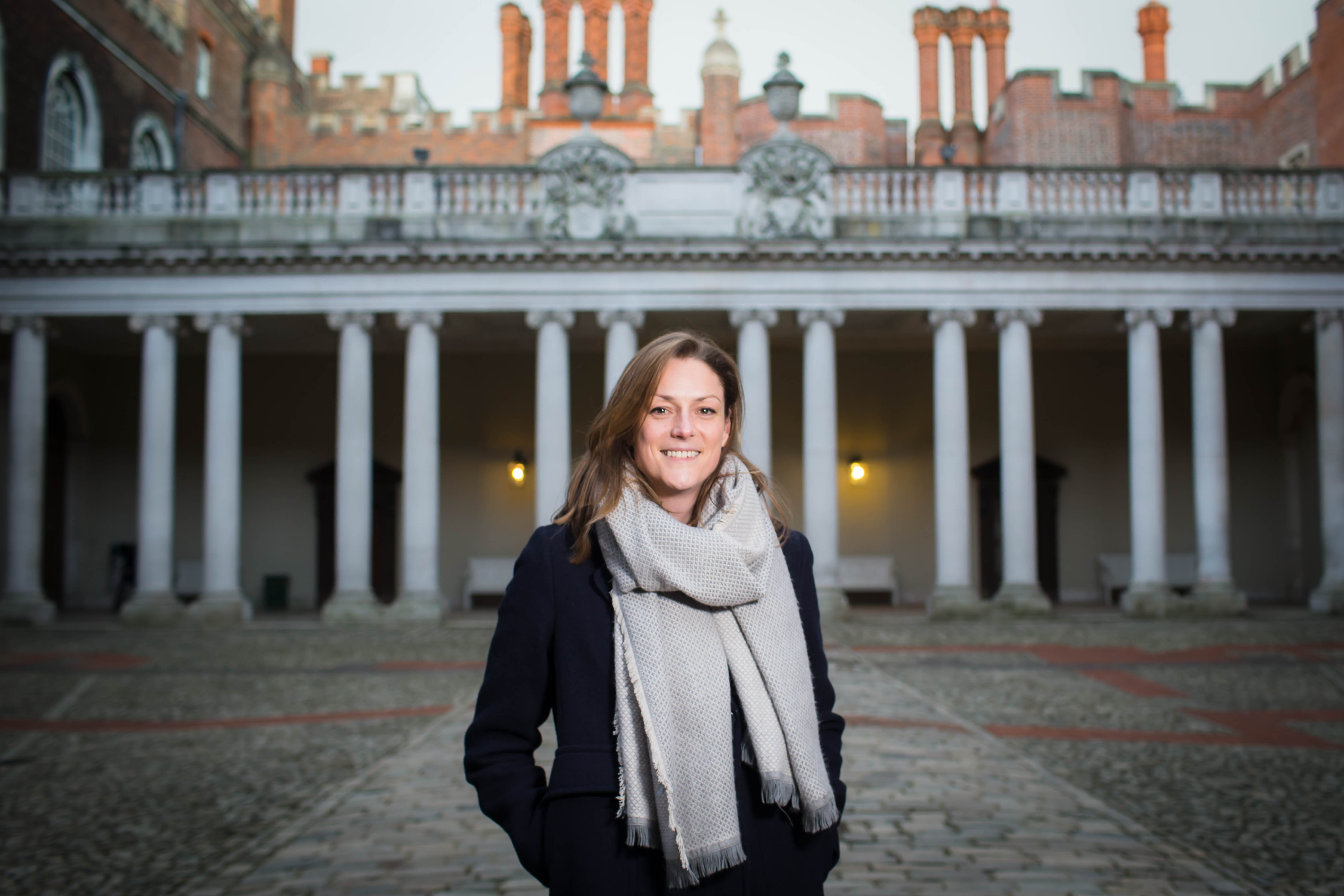
Sabine Wieber is a Senior Lecturer in the Department of History of Art at the University of Glasgow. Her research focuses on Austrian and German Art (1800-1918), with particular interests in gender politics, dress/textile histories, medical history, and material culture studies. She has co-curated exhibitions such as 'Madness and Modernity' (Vienna 2010) and contributed to major publications like After Impressionism: Inventing Modern Art (2023). Wieber actively supervises PhD students in areas ranging from medical illustrations in medieval manuscripts to women's war work during WWI. She holds administrative roles including Level 2 Convenor and co-leads the MLitt Dress and Textile Histories program. Her interdisciplinary work bridges art history with medical humanities and gender studies, often exploring intersections of art, identity, and sociocultural contexts.
Education & Affiliations
As a faculty member at the University of Glasgow, Wieber teaches courses on European Symbolism, German Art, and material cultures. She has held external roles as an examiner at Leeds, Birkbeck, and St Andrews universities, and is affiliated with the Charles Rennie Mackintosh Society and the Association of Art Historians.
Research Interests
Her work examines gendered spaces (e.g., Vienna's neurasthenic empresses), domestic interiors, and textile histories. Recent projects include studies on Art Nouveau's engagement with nature and the role of design in modernity. She frequently publishes book reviews on topics like Harris Tweed industries and Viennese psychiatric art.
Teaching & Supervision
Wieber supervises doctoral research on diverse topics including 19th-century exhibitions, medical humanities, and textile culture. She teaches methodological courses and specialized modules on dress histories, collecting practices, and gender studies.
Exhibitions & Outreach
Beyond academia, she contributed to the Who Do You Think You Are BBC series and collaborates with museums on projects like the Templeton Carpet Factory study. Her research often highlights marginalized voices, such as female artists in Worpswede or patients' needlework in Swiss asylums.