معرفی
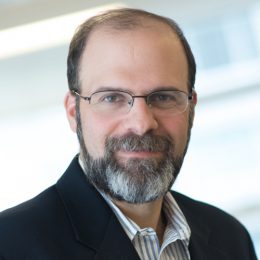
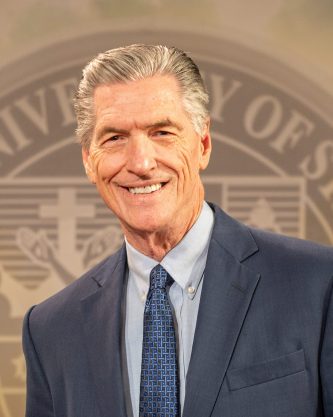
Ryan T. Anderson, Ph.D., is the President of the Ethics and Public Policy Center (EPPC), a leading conservative think tank in Washington, D.C. He holds the title of John Paul II Teaching Fellow in Social Thought at the University of Dallas and has served as an adjunct professor at Christendom College. His academic background includes a Ph.D. in political philosophy from the University of Notre Dame and a B.A. from Princeton University, where he graduated Phi Beta Kappa and magna cum laude.
His research and writing focus on political philosophy, bioethics, marriage, religious liberty, and gender identity. He is the author or co-author of five influential books, including What Is Marriage? Man and Woman: A Defense and When Harry Became Sally: Responding to the Transgender Moment. His work has been published in top journals and newspapers such as the Harvard Journal of Law and Public Policy, National Review, the Wall Street Journal, and First Things, and has been cited by U.S. Supreme Court Justices Samuel Alito and Clarence Thomas.
Anderson's recent scholarly output centers on the ethical and policy implications of abortion, particularly the safety of chemical abortion, the moral status of the unborn, and the societal impact of abortion extremism. His articles analyze data on mifepristone, critique gender ideology, and explore the legal and philosophical foundations of human dignity. He also contributes to debates on IVF, assisted suicide, and the future of conservative thought.
Scientific Awards and Honors:
- Member of the James Madison Society at Princeton University
- Fellow of the Institute for Human Ecology at the Catholic University of America
Advising, Grants, and Institutional Roles: Anderson is the Founding Editor of Public Discourse, the online journal of the Witherspoon Institute. He has held research fellowships at The Heritage Foundation and the Veritas Center. He has served on advisory boards and as a trustee of New College of Florida, appointed by Governor Ron DeSantis. His work is supported by private philanthropy, and he has significantly grown EPPC’s funding and policy impact since becoming president.
Labs and Research Teams: As president of EPPC, Anderson leads multiple research programs, including the Bioethics and American Democracy initiative, the Person and Identity Project, and the Technology and Human Flourishing Project. These teams produce model legislation, regulatory comments, and amicus briefs that have influenced state and federal policy.