معرفی
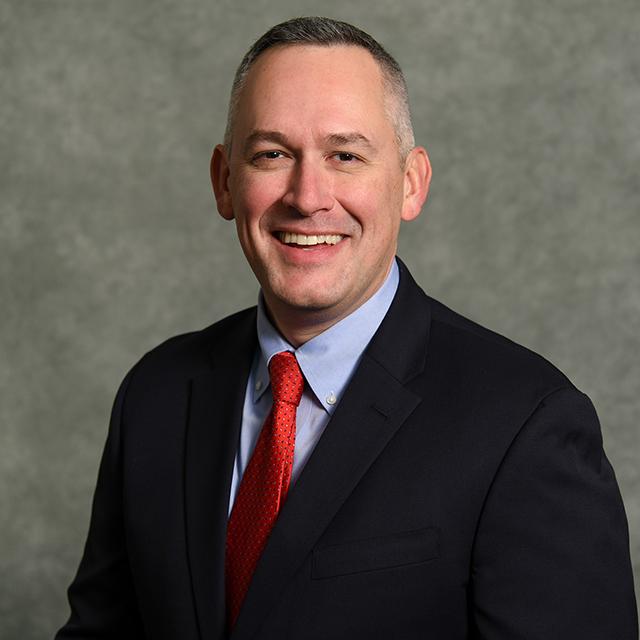
Ryan Atkins, Ph.D., is an Associate Professor of Supply Chain Management at the Palumbo-Donahue School of Business, Duquesne University. Previously he served as faculty lead for the Supply Chain Management program at Nova Southeastern University’s H. Wayne Huizenga College of Business & Entrepreneurship and as Lecturer in the Department of Management at the University of Georgia’s Terry College of Business.
Education
- Ph.D. in Supply Chain Management, Queen’s University Belfast
- M.M.M. (Master of Manufacturing Management), Penn State University
- B.S. in Business Logistics and International Business, Penn State University
Ryan’s research is deeply rooted in ethics and sustainability within supply chain management. He explores how individual and organizational decisions impact environmental outcomes, social equity, and financial performance. His work spans food waste reduction, responsible sourcing, risk management, and innovation in buyer-supplier relationships. A certified Six Sigma Black Belt, he blends practical industry experience with rigorous academic inquiry to advance both theory and practice.
Across more than twenty peer-reviewed articles, Dr. Atkins’ scholarship consistently addresses multi-stakeholder perspectives in supply chains. Themes include governance under uncertainty, behavioral operations, and the intersection of the sharing economy with traditional logistics. His 2024 article on food-recovery barriers and 2023 studies on burnout and new-product purchasing illustrate a trajectory toward socially responsible operations.
Awards & Honors
- Harry W. Witt Faculty Fellow in Supply Chain Management, Palumbo-Donahue School of Business, 2024-2027
Industry & Pedagogical Contributions
Dr. Atkins leverages extensive industry experience to develop experiential learning tools. He has designed simulation exercises that teach inventory management, RFID adoption, and risk attitude assessment, integrating gamification and inquiry-based methods into the classroom. These initiatives prepare students to tackle real-world supply-chain challenges while emphasizing ethical and sustainable practices.