معرفی
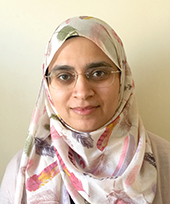
Ruth Kershner is a University Lecturer in Psychology of Education and Primary Education at the Faculty of Education, University of Cambridge. She serves as Deputy Chair of the University Psychology Research Ethics Committee and contributes to the Psychology, Education and Learning Studies research group. Her career bridges educational practice and academic research through extensive school partnerships.
Her educational qualifications include:
- BA (Hons) Social Studies
- PGCE Primary Education
- MSc Psychology and Education of Children with Special Needs
- MSc Child Development with Clinical Studies (professional educational psychology training)
Kershner's research centers on primary classroom dynamics, investigating how dialogic approaches transform learning environments. She examines inclusive pedagogy through psychological and sociocultural lenses, focusing on children's active participation, teacher-student relationships, and knowledge construction. Her work pioneers dialogic research methods that empower educators to conduct classroom-based inquiries, while addressing critical gaps in knowledge exchange between scientific research and educational practice. Current projects explore diversity, belonging, and technology-enhanced collaborative learning in primary settings.
Analysis of her 15 most recent publications reveals three dominant trajectories: (1) Development of practical tools like T-SEDA for analyzing classroom dialogue, (2) Integration of psychological principles into inclusive teaching frameworks, and (3) Technology-mediated collaborative learning in science education. Her work consistently connects theoretical rigor with classroom applicability across primary education contexts.
Kershner actively shapes educational practice through funded research initiatives including ESRC Impact Acceleration projects (T-SEDA), British Academy/Leverhulme grants on diversity in primary classrooms, and Isaac Newton Trust studies on children's epistemological development. Though not currently accepting PhD students, she mentors Master's candidates in Primary Education, Psychology and Education, and Research Methods programs. Her leadership extends to the Cambridge Educational Dialogue Research Group (CEDiR) where she develops dialogic methodologies adopted internationally.
She co-founded the Cambridge Educational Dialogue Research Group (CEDiR), creating a collaborative hub for advancing dialogic theory and practice. Her research methodology development occurs through sustained partnerships with primary schools across Cambridgeshire, focusing on practical implementation of inclusive pedagogies and dialogue-based learning frameworks. Current work with the Psychology Research Ethics Committee shapes ethical standards for educational psychology research nationally.