معرفی
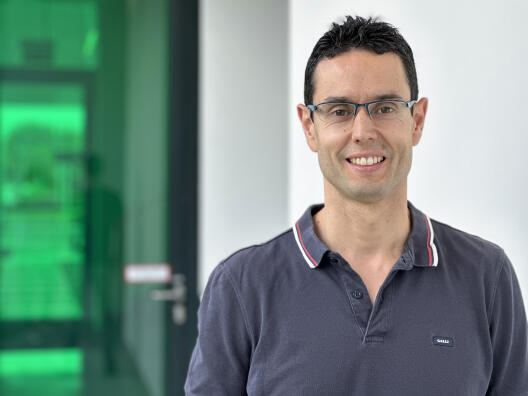
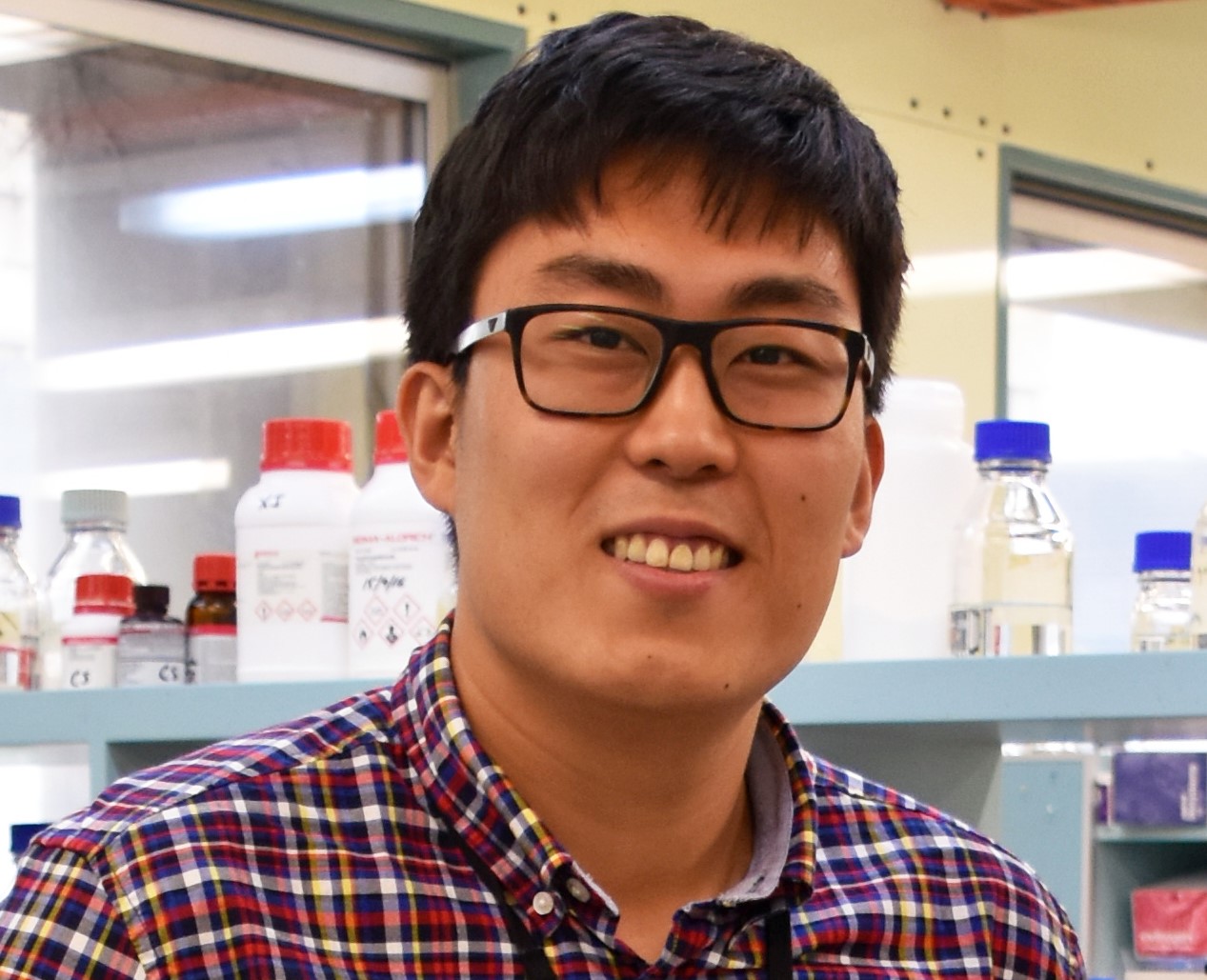
Rong Wang is a Professor at the University of California San Francisco, conducting groundbreaking research on angiogenesis and arterial-venous programming in health and cancer. Their lab employs advanced mouse genetics and 5D two-photon microscopy to study gene function in physiological and pathological angiogenesis, with a focus on hepatocellular carcinoma (HCC). They pioneered the liver-specific tetracycline-regulatable Met transgenic mouse model and contributed to the hydrodynamic injection HCC model.
- B.Sc., Sichuan University (Biology, 1984)
- M.Sc. candidate, Graduate School of Chinese Science and Technology University (Genetics, 1988)
- Ph.D., University of North Carolina at Chapel Hill (Biology/Angiogenesis, 1993)
- Postdoctoral Fellow, UCSF (Cancer Biology, 2001)
Research spans molecular mechanisms of Notch signaling in vascular malformations, tumor angiogenesis, and translational studies for HCC therapeutics. Key projects include targeting arterial supply in HCC to starve cancer cells and developing mouse models for preclinical studies.
Their 15 most recent publications highlight advancements in vascular imaging, Notch pathway regulation, tumor angiogenesis, and molecular diagnostics. Awards include postdoctoral fellowships from the Leukemia Society of America and American Heart Association, plus the Pfizer Atorvastatin Research Award.
- R01NS113429 (NINDS/NIH, 2020-25)
- 19TPA34910134 (American Heart Association, 2019-22)
- W81XWH-15-PRMRP-IIRA (Department of the Army, 2016-20)
- R01HL075033 (NIH, 2003-17)
Current work investigates molecular regulators of HCC arterial formation and therapeutic interventions for vascular malformations using genetically engineered mouse models.