معرفی
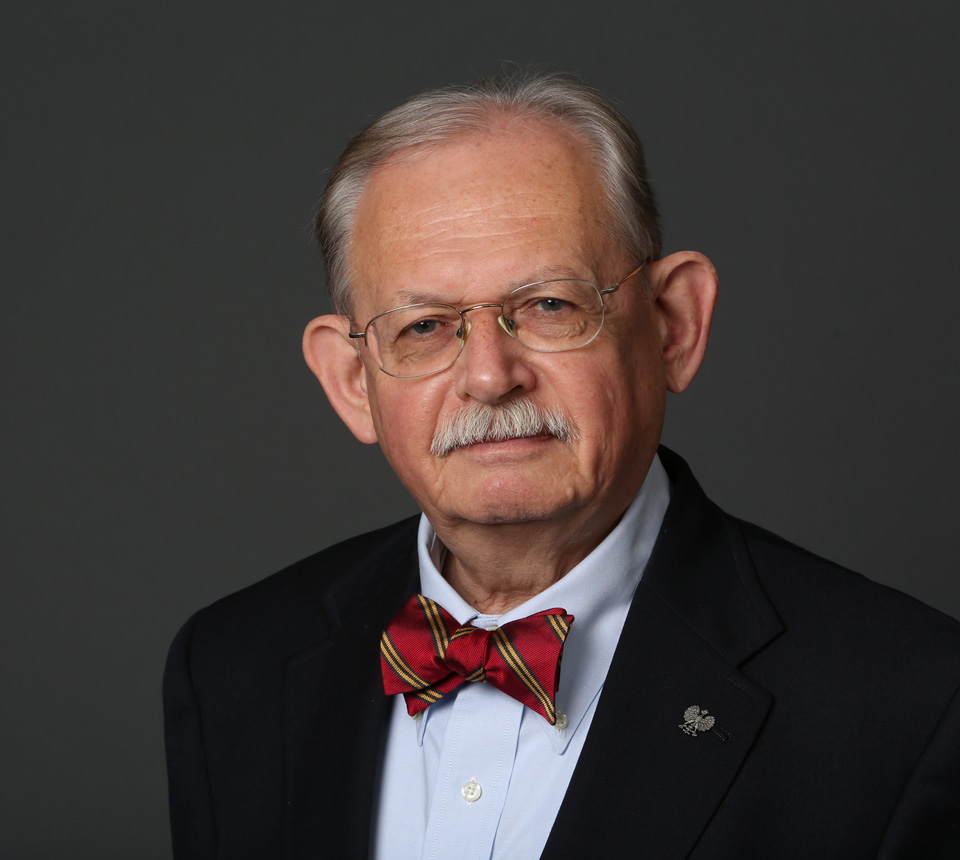
Ronald Suleski serves as Professor of History in the Department of History, Language & Global Culture at Suffolk University in Boston, where he has been a faculty member since 2009. He concurrently directs the Rosenberg Institute for East Asian Studies and is currently on sabbatical for the academic year 2024-2025. His prior academic appointments include the University of Texas at Arlington, Sophia University in Tokyo, and the Fairbank Center for Chinese Studies at Harvard University (1997-2009), where he served as Assistant Director.
His academic foundation includes:
- PhD in Modern Chinese History from the University of Michigan
- MA in Chinese Studies from the University of Michigan
- BA from the University of Pittsburgh
Professor Suleski's research centers on two interconnected domains:
- Manchurian History: He examines Northeast China from the late 1800s through the Manchukuo period (1932-1945), analyzing civil governance, Japanese colonization, and social dynamics during Japan's puppet state era. His work incorporates unique perspectives like Japanese colonist mass suicides and biographical studies of key figures.
- Chinese Popular Culture (1850-1950): Through pioneering analysis of handwritten notebooks (minjian shouchaoben) collected from Chinese used-book markets, he reconstructs daily life during China's imperial collapse and republican transition. This manuscript-based approach reveals grassroots perspectives absent from official archives.
His publication trajectory (2002-2018) demonstrates deepening specialization in Manchurian history and manuscript culture, with increasing focus on social history and cross-cultural interactions. The work consistently engages with Northeast Asian regional dynamics while innovating through source material rarely utilized by Western scholars.
No scientific awards were documented in the provided biographical materials.
While specific grant details and student mentorship records are unlisted, Professor Suleski's leadership of the Rosenberg Institute and instruction of senior capstone projects (HST-530, HST-H555) indicate active academic supervision. His extensive multilingual publications (Chinese, Japanese, Korean) suggest sustained research funding, though institutional specifics remain undisclosed.