معرفی
Ronald Hesper is a Researcher at the Kapteyn Astronomical Institute within the Faculty of Science and Engineering at the University of Groningen. He is actively involved in cutting-edge research in black hole astrophysics and astronomical instrumentation development. His work spans both theoretical and observational aspects of modern astronomy, with significant contributions to major international collaborations.
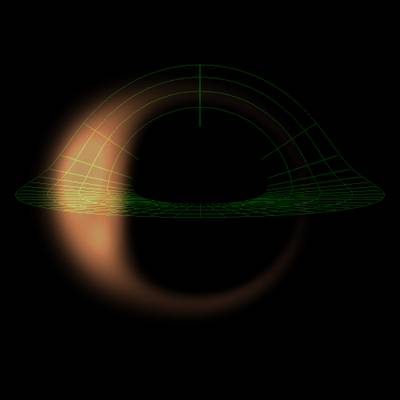
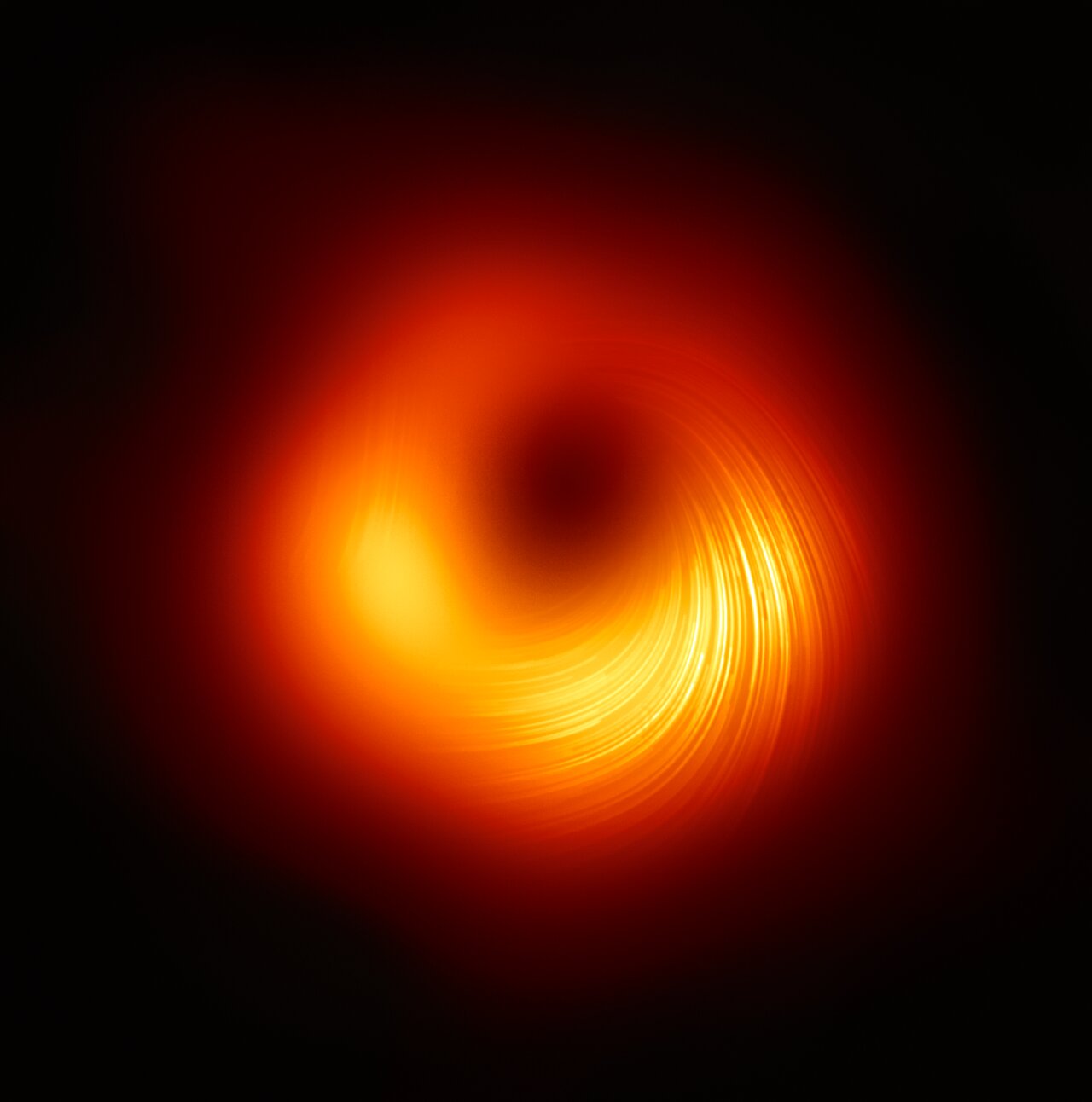
Hesper's research interests focus on black hole physics, particularly through observations with the Event Horizon Telescope (EHT), which captured the first images of black holes. His work encompasses multi-wavelength studies of supermassive black holes in galaxies like M87 and Sagittarius A*, the center of our Milky Way. He has made substantial contributions to understanding black hole shadows, polarized emission, and jet formation mechanisms.
His research portfolio reveals a dual focus: observational studies of black holes and development of advanced instrumentation for radio astronomy. The analysis of his recent publications shows a strong emphasis on Event Horizon Telescope results, with significant contributions to multiple papers in the landmark series that revealed the polarized structure of black hole shadows. Additionally, he has expertise in developing critical components for radio telescopes, including cryogenic amplifiers and superconducting mixers for millimeter and submillimeter observations.
Hesper is an active member of several major international collaborations, most notably the Event Horizon Telescope Collaboration, which involves hundreds of scientists worldwide. His work appears in top astronomy journals including Astronomy & Astrophysics, Astrophysical Journal Letters, and IEEE Transactions on Terahertz Science and Technology, demonstrating both his theoretical and instrumental expertise.
His research has contributed to the UN Sustainable Development Goals, particularly those related to science and technology advancement. The fingerprint of his research shows strong connections to Event Horizon physics (100%), Mixers (Machinery) engineering (64%), Black Holes physics (50%), and Sidebands engineering (41%), indicating his interdisciplinary approach bridging astronomy and engineering.