معرفی
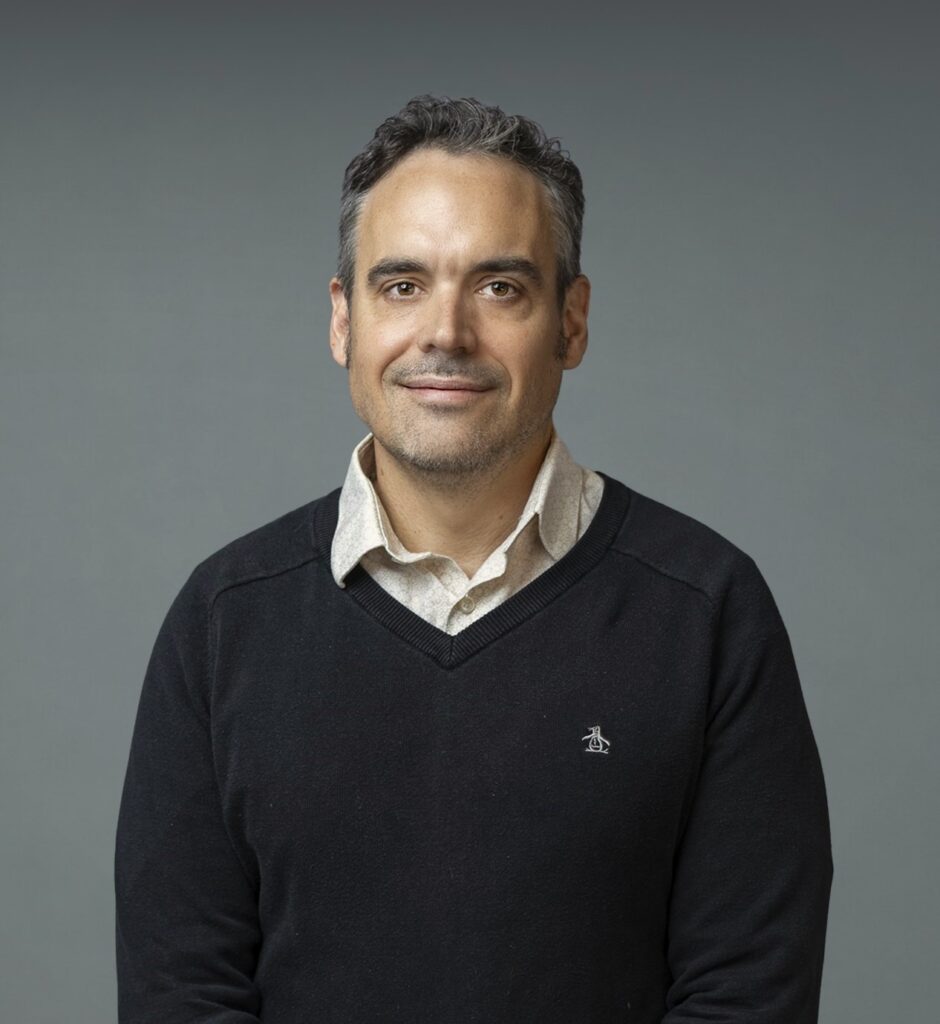
Robert M. Sears, Ph.D., is a Research Scientist at the Nathan Kline Institute, affiliated with the Emotional Brain Institute, where he leads the Sears Lab. His work focuses on the neural mechanisms underlying fear, anxiety, and threat responses, with an emphasis on the orexin system and active avoidance behavior.
Dr. Sears earned his BA in Biology & Philosophy from Hendrix College in 2001 and his Ph.D. from Yale’s Interdepartmental Neuroscience Program in 2009, where he studied melanin-concentrating hormone (MCH) under Dr. Ralph DiLeone. He completed postdoctoral training in Dr. Joseph LeDoux’s laboratory at NYU’s Center for Neural Science, focusing on orexin and aversive learning.
His research explores how the brain processes threats through paradigms like Pavlovian threat conditioning and Signaled Active Avoidance (SAA). He investigates the role of the orexin system and interactions between the amygdala and nucleus accumbens in coping behaviors. His work aims to uncover mechanisms that could inform therapies for PTSD and anxiety disorders.
The recent publications highlight his focus on neural circuitry involved in emotional memory, threat learning, and motivated behavior. Trends in his research show a consistent emphasis on molecular, chemogenetic, and optogenetic approaches to dissect brain circuits related to fear and adaptive coping.
- Post-doctoral Ruth L. Kirschstein Institutional National Research Service Award (F32 MH094062), NIMH, 2012-2014
- Neural substrates of orexin-dependent coping behaviors (R21 MH116242-01A1), NIMH, 2018-2020
- 2018 NARSAD Young Investigator Grantee (Brain & Behavior Research Foundation)
Dr. Sears leads an active research laboratory and has secured competitive grant funding from NIMH. While no formal students are listed, he mentors lab members including postdoctoral investigators and researchers. His lab employs advanced techniques such as optogenetics and chemogenetics to explore neural circuitry.
The Sears Lab is part of the Emotional Brain Institute and conducts studies on emotional memory, fear conditioning, and proactive coping behaviors. Current investigations include the role of the orexin system in motivated threat responses and the neural circuitry of signaled active avoidance, aiming to differentiate adaptive from maladaptive coping mechanisms.