معرفی
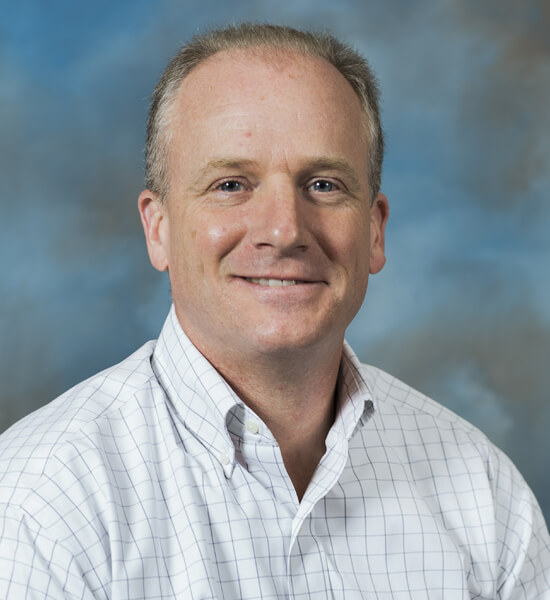
Robert J. Collier is a Professor of Environmental Physiology in the Department of Animal Sciences at the University of Arizona, where he has been a faculty member since 1999. He previously served as Head of the Department (2001–2005) and Director of the Agricultural Research Complex (2006–2016). He was also an Adjunct Professor at the University of Missouri from 1987 to 1999. His academic journey began with a Ph.D. in Dairy Science from the University of Illinois in 1976, followed by a postdoctoral position at Michigan State University.
Education:
- Ph.D. in Dairy Science, University of Illinois, Urbana (1976)
- M.S. in Zoology, Eastern Illinois University (1973)
- B.S. in Zoology, Eastern Illinois University (1969)
Dr. Collier's research focuses on environmental and lactation physiology, endocrinology, and molecular biology in livestock. His work investigates heat stress mitigation, nutritional interventions (e.g., betaine, niacin), cooling technologies, and the role of serotonin in lactation regulation. He has made significant contributions to understanding thermal biology, acclimation mechanisms, and the physiological responses of dairy cattle to environmental stressors.
His scholarly output includes over 225 peer-reviewed articles, 10 U.S. patents, and the co-authored book Environmental Physiology of Livestock. His recent publications (2013–2016) emphasize heat stress management, metabolic regulation, and reproductive physiology, with a strong focus on practical applications in dairy farming. Key trends include evaluating cooling systems, nutritional supplements, and hormonal pathways affecting lactation and animal welfare.
Scientific Awards:
- Distinguished Alumnus Award, Eastern Illinois University (2015)
- American Dairy Science Association Fellow Award (2013)
- Western Dairy Business Dairy Scientist/Educator of the Year (2013)
Dr. Collier has advised numerous students and collaborated widely with researchers across institutions. He co-founded Amelgo in 2009, a research company focused on dairy innovation, where he serves as Managing Partner and CEO. His work has been supported by various grants and industry collaborations, particularly in developing technologies to improve dairy productivity under climate stress.
He has led and contributed to major research initiatives, including the development of the Dairy Risk Assessment Program (DRAP) and studies on tropical adaptation in beef cattle. His leadership in academic and applied research underscores his ongoing impact in animal sciences.