معرفی
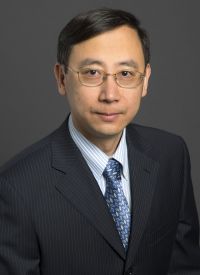
Professor River Xiao is a highly accomplished academic at the University of Texas at El Paso (UTEP), affiliated with the Department of Chemistry and Biochemistry, the Border Biomedical Research Center (BBRC), and the Bioinformatics program. With over 30 years of expertise in molecular biology and 25 years of experience combining X-ray crystallography and cryo-electron microscopy (cryo-EM), his research focuses on structural biochemical studies of viruses, marine organisms, and the mammalian circadian system. He has pioneered innovative techniques, including integrating cryo-EM with X-ray crystallography to elucidate viral structures and assembly mechanisms.
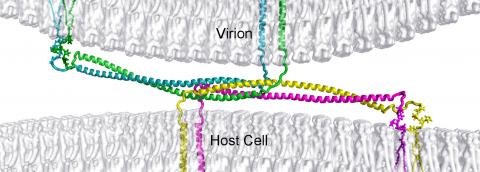
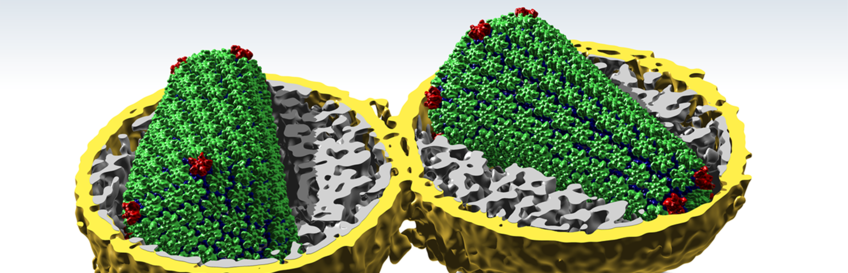
Dr. Xiao's research interests span structural biology, virology, and biochemistry, with particular emphasis on marine viruses (e.g., Cafeteria roenbergensis virus), common cold viruses, and circadian rhythms. His lab at UTEP employs cutting-edge methods like two-photon microscopy and computational modeling to investigate viral behavior, capsid assembly, and circadian protein complexes. Notable contributions include structural studies of Mimivirus and pioneering work on SARS-CoV-2 detection in wastewater.
His recent publications highlight advancements in AI-driven protein fold classification (JRSeek), novel viral detection methods (freeze-drying for SARS-CoV-2), and circadian protein co-expression optimization. While no specific scientific awards are listed, his research has secured significant grants, including a $1.7M award for studying giant virus assembly mechanisms. He has advised numerous projects in structural biology and biotechnology, fostering interdisciplinary collaboration between biochemistry, microbiology, and computational science.
Dr. Xiao’s laboratory bridges structural and functional studies, emphasizing translational applications such as targeted drug delivery for fibrosis treatment and environmental health monitoring through wastewater surveillance. His work underscores the intersection of fundamental research and real-world problem-solving in global health and ecological systems.