معرفی
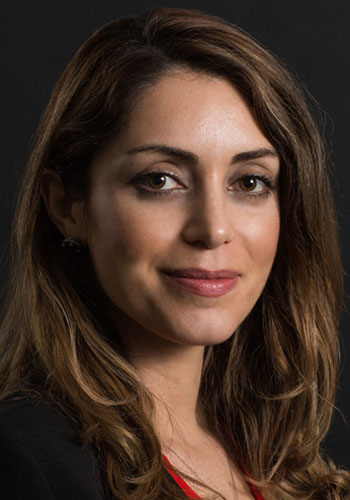
Professor Ritu Kataky is a full Professor in the Department of Chemistry at Durham University, UK. She specializes in electrochemistry, biosensors, and biocompatible materials, with a focus on developing soft materials for sensing and drug delivery applications. Her research bridges fundamental electrochemical studies with practical applications in healthcare and environmental monitoring.
Her research interests span several interdisciplinary domains:
- Materials for sensing and drug delivery: Use of liposomes, gels, and nanomaterials for in-vivo and in-vitro sensing and targeted delivery of actives and drugs.
- Electrochemistry at liquid-liquid interfaces: Study of charge transfer processes at the interface between two immiscible electrolyte solutions (ITIES) as models for biological membranes.
- Interactions of lipid membranes with bioactive molecules: Investigation of electron and ion transport in supported and black lipid membranes modified with membrane-associated molecules.
- Development of sensors and biosensors: Design of electrochemical sensors for environmental, clinical, and pharmaceutical monitoring, including chiral sensors and multi-analyte platforms.
Her recent publications (2020–2024) reflect a strong focus on electrochemical biosensors, nanomaterial interfaces, and biological membrane interactions. These works demonstrate her commitment to advancing real-time, label-free detection technologies for bacterial biofilms, amyloid aggregation, and cellular ion efflux.
Scientific Awards & Esteem Indicators:
- Plenary and Keynote lectures at major international electrochemical conferences (ISE, RSC, etc.) from 2007 to 2014.
- Chair and organizer roles at Electrochem 2012, Analytical Research Forum 2012, Faraday Discussion 164, and Electrochem 2015.
- Invited speaker at prestigious institutions and societies across Europe, Asia, and the Americas.
Collaborations & Funding: Professor Kataky has active collaborations with industry partners such as Procter & Gamble for drug delivery and detergency studies at liquid-liquid interfaces. Her work is supported by interdisciplinary teams and funding aimed at translational research in healthcare and environmental monitoring.
Laboratory & Teams: She leads a research group that integrates electrochemistry, materials science, and biological systems. The group focuses on developing next-generation soft materials, implantable sensors, and microdevices for real-time biological monitoring.