معرفی
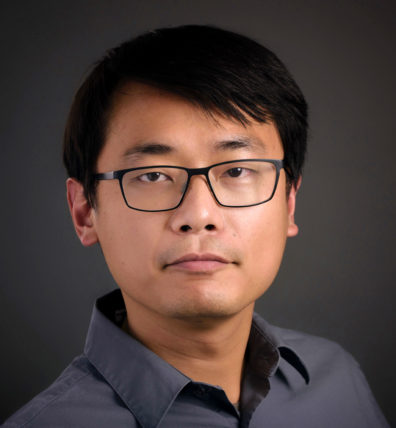
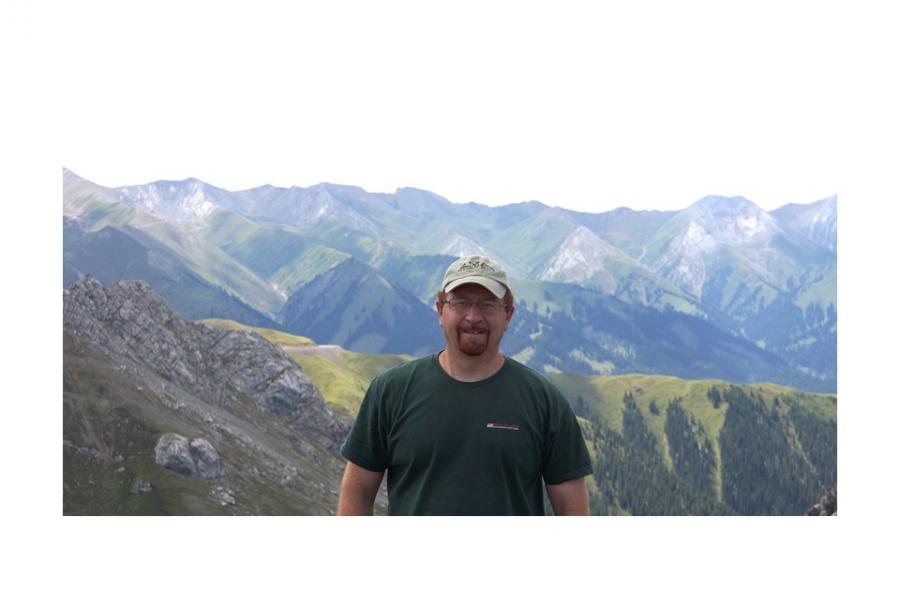
Rinat Gabitov serves as an Associate Professor in the Department of Geosciences within Mississippi State University's College of Arts and Sciences. His research integrates experimental geochemistry with environmental applications, focusing on mineral-fluid interactions at hydrothermal conditions. Affiliated with Los Alamos National Laboratory as a Visiting Researcher since 2017, he bridges fundamental geochemical processes with nuclear waste management solutions.
His educational background includes a Ph.D. (2005) and M.S. (2002) from Rensselaer Polytechnic Institute's Department of Earth and Environmental Sciences, and a Diploma (1999) from Moscow State University's Department of Geochemistry. Key research areas include:
- Radionuclide immobilization mechanisms in phosphate minerals
- Elemental partitioning during mineral crystallization
- Development of geochemical proxies for paleoenvironmental reconstruction
- Hydrothermal behavior of uranium and iodine species
Recent publications reveal a dominant focus on nuclear waste remediation, with 80% of 2023-2025 articles addressing uranium and iodine immobilization in apatite and carbonate systems. This research trajectory demonstrates strategic alignment with Department of Energy priorities for nuclear waste isolation, particularly regarding thermal effects on waste package integrity.
His scientific recognition includes:
- Active membership in Geochemical Society and American Geophysical Union
- Extensive peer-review service for NSF, ERC, and BSF funding agencies
- Reviewer for top-tier journals including Geochimica et Cosmochimica Acta and Chemical Geology
Gabitov has mentored nine graduate students through thesis completion, with placements at organizations including LANL, ExxonMobil, and Southern Nuclear. His research program receives support from nuclear energy and environmental agencies, leveraging Mississippi State's geosciences infrastructure and LANL collaborations for high-temperature experimental work. Current projects focus on optimizing engineered backfill materials for next-generation nuclear waste repositories, with emphasis on iodine sequestration mechanisms at hydrothermal conditions.