معرفی
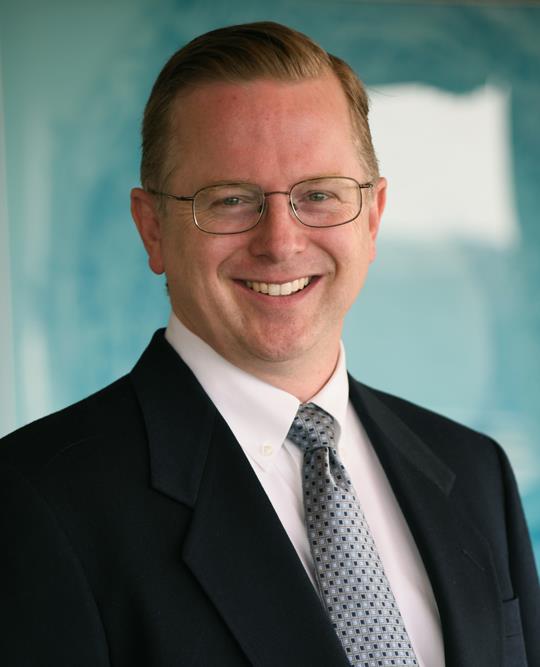
Richard J. Smith, MD, is a Professor at the University of Iowa, holding appointments in the Department of Otolaryngology, Internal Medicine, Pediatrics, Molecular Physiology and Biophysics, and Anatomy and Cell Biology within the Carver College of Medicine. He directs the Molecular Otolaryngology and Renal Research Laboratories (MORL) and is a key figure in the Iowa Institute of Human Genetics. His work bridges clinical otolaryngology and molecular genetics.
- BA in Biochemistry, Rice University
- MD, Baylor College of Medicine
- Internship and General Surgery Residency, University of Texas Health Science Center
- Otolaryngology Residency, Baylor College of Medicine
- Pediatric Otolaryngology Fellowship, The Hospital for Sick Children, London
- Postdoctoral Fellowship, Medical Research Council Institute of Hearing Research, Nottingham
Dr. Smith’s research centers on the genetics of inherited hearing loss and complement-mediated renal diseases. His lab investigates both syndromic and non-syndromic forms of deafness, employing linkage analysis, mutation screening, and functional studies in mouse models. A major focus is on gene discovery and developing RNAi-based therapies for hearing restoration. Concurrently, his team studies MPGN II (Dense Deposit Disease) and atypical HUS, exploring the role of complement dysregulation and its links to age-related macular degeneration. His work has significant implications for diagnosis, prognosis, and treatment of these rare disorders.
The recent publications highlight a strong trend in genetic discovery in hearing loss (e.g., CLRN2, MYO15A) and mechanistic insights into complement pathway disorders. Collaborative clinical consensus statements reflect leadership in pediatric otolaryngology and airway management. Research spans molecular genetics, functional genomics, immunology, and translational therapeutics.
Dr. Smith is actively involved in mentoring through multiple graduate programs including Biomedical Science, Genetics, Neuroscience, and the Medical Scientist Training Program. He leads a multidisciplinary research team at MORL and has contributed to national and international guidelines. His work is supported by institutional affiliations with the Center for Biocatalysis and Bioprocessing and the Iowa Institute of Human Genetics. Future directions include expanding genetic testing (e.g., PHASE Program), refining RNAi therapies, and developing targeted complement inhibitors.
Laboratory: Molecular Otolaryngology and Renal Research Laboratory (MORL)
حوزههای پژوهشی