معرفی
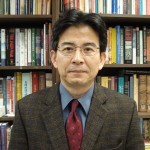
Richard D. McBride II serves as an Associate Professor in the Department of Asian & Near Eastern Languages at Brigham Young University's College of Humanities, with additional affiliation in the History Department at Brigham Young University Hawaii. His academic career centers on East Asian religious studies with particular expertise in Korean Buddhism across historical periods from Silla through Chosŏn dynasties.
McBride's research interests focus on medieval Korean Buddhism, Buddhist textual traditions, ritual practices, and the transmission of Buddhist thought across East Asia. His work demonstrates particular expertise in figures like Ŭich'ŏn (1055-1101), a pivotal Koryŏ Buddhist scholar-monk, and explores how Buddhist thought interacted with political and social structures in Korean history. His scholarship bridges religious studies, literary analysis, and historical investigation to illuminate the complex development of Korean Buddhist traditions.
His publication record reveals a consistent focus on Buddhist textual history, ritual practices, and institutional development in Korea. The 15 most recent publications demonstrate his evolving expertise from early work on literary genres to increasingly specialized studies of Buddhist rituals, image consecration practices, and the transmission of Buddhist thought between China and Korea. His recent work shows growing attention to contemporary implications of historical Buddhist developments in Korea, including post-colonial Buddhist identity formation.
McBride actively engages with the academic community through conference presentations, interviews for academic podcasts like New Books in Buddhist Studies, and media commentary on contemporary Korean affairs, particularly regarding North Korea. His scholarly contributions have established him as a significant voice in the field of Korean Buddhist studies within Western academia.
His academic work extends beyond traditional research to include public engagement, as evidenced by interviews on topics ranging from historic Buddhist texts to contemporary North Korean politics. This demonstrates his commitment to making specialized academic knowledge accessible to broader audiences while maintaining rigorous scholarly standards in his research on Korean religious history.