معرفی
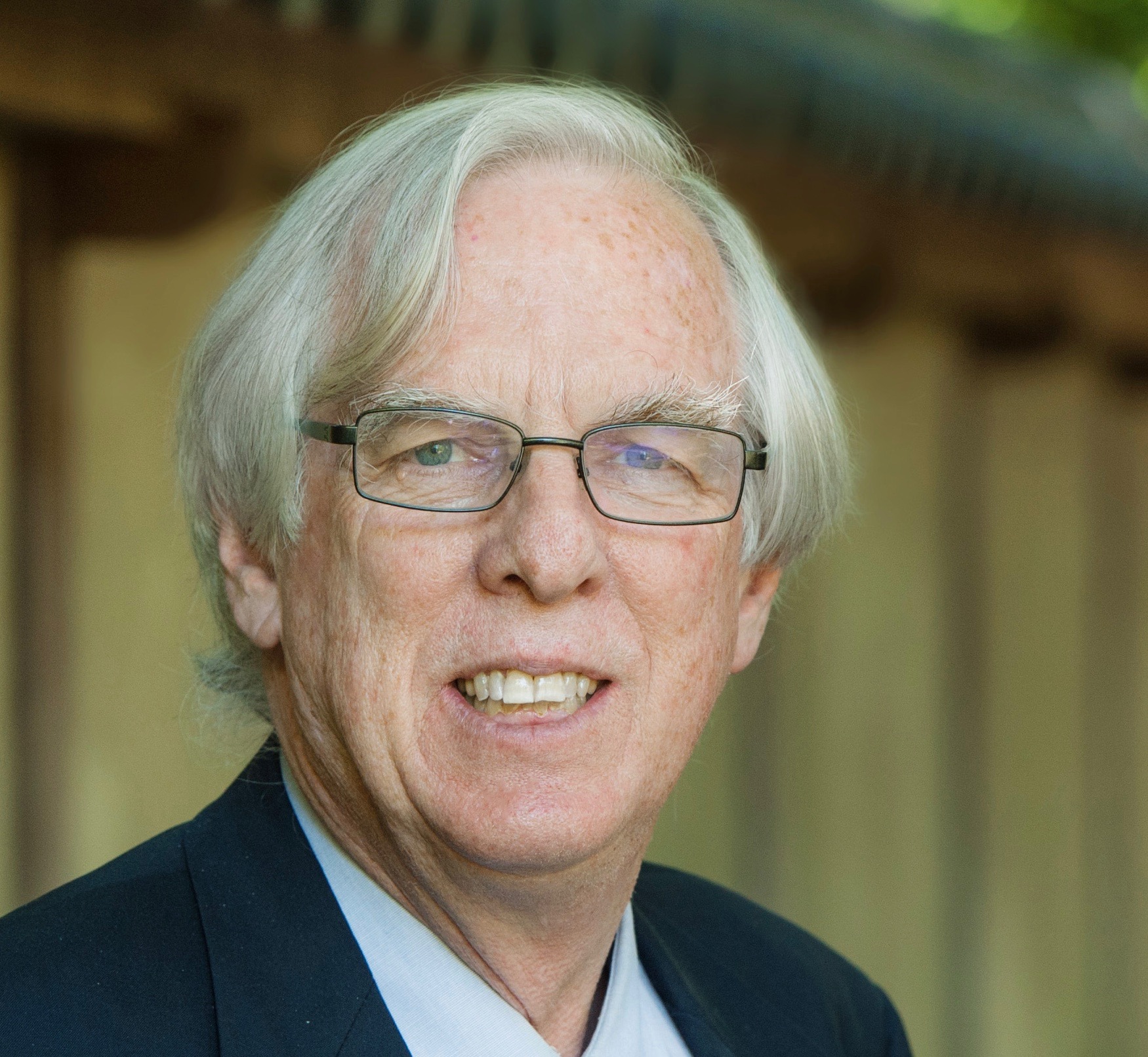
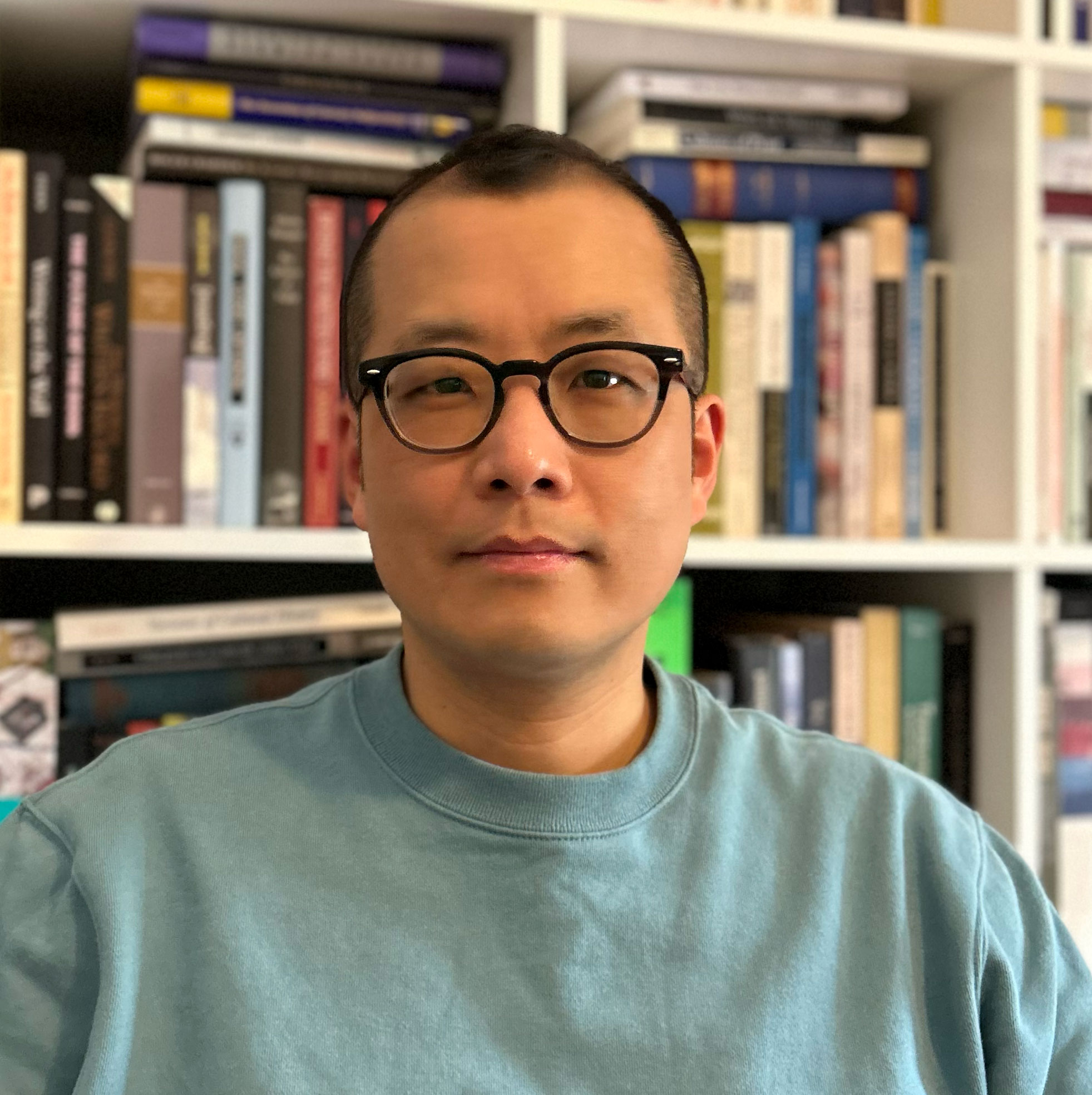
Dr. Gregory Nicholas Evon is a Lecturer in the Faculty of Arts and Social Sciences at the University of New South Wales (UNSW), specializing in Korean and East Asian Studies. He completed his BA and MA in Korean and East Asian Studies at Indiana University, Bloomington, and earned his PhD at the Australian National University under Professor Ken Wells. Dr. Evon is affiliated with the UNSW Korea Research Institute (KRI@UNSW) and teaches courses on East Asian cultures and history from his office in Morven Brown building.
Dr. Evon's research focuses on Korean intellectual and literary history, particularly Buddhist literature from the Choson period (1392-1910). His expertise spans premodern Korean literature, religious studies, and East Asian cultural history. He has extensively studied the works of key figures including Han Yongun (1879-1944), Kim Sisup (1435-1493), and Yi Kyubo (1168-1241), examining the intersections of Buddhism, Confucianism, and literary production in historical Korea.
His recent publications reveal a strong focus on religious syncretism in Korean history, with particular attention to how Buddhist thought interacted with Confucian statecraft. His 2023 book 'Salvaging Buddhism to Save Confucianism in Choson Korea' represents a significant contribution to understanding religious dynamics in historical Korea. His work spans multiple disciplines including literary studies, religious studies, linguistics, and political history, with consistent emphasis on Korea's unique cultural trajectory within the broader East Asian context.
- Buddhist literature of Han Yongun (1879-1944)
- Classical poetry of Kim Sisup (1435-1493) and Yi Kyubo (1168-1241)
- Premodern Korean literary and intellectual history
- Religious syncretism in Choson Korea
- Korean language history and romanization
Dr. Evon teaches a range of undergraduate courses including ARTS2211 - East Asia, ARTS2662 - Korea at a Glance, ARTS2633 - A Cultural Survey of Japan, and ARTS3640 - Japan and Korea: Cultures in Conflict. His teaching areas encompass Korean Culture and History, Japanese Culture and History, Comparative Korean and Japanese History, and broader East Asian studies. His research demonstrates a consistent engagement with Korea's religious and literary traditions across different historical periods, from the medieval to the modern era.