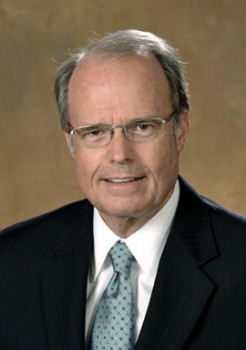
معرفی
Richard A. Bernardi is a Professor in the Accounting department at the School of Business, Roger Williams University, with an extensive publication record spanning over two decades from 2000 to 2021. His research has significantly contributed to understanding ethical behavior in business and academic settings.
Dr. Bernardi's scholarly work focuses on several interconnected areas:
- Business and accounting ethics frameworks
- Whistle-blowing behavior in academic and corporate environments
- Gender diversity impacts on corporate governance and ethical practices
- Cultural influences on ethical decision-making through Hofstede's constructs
- Academic integrity challenges and cheating prevention strategies
- Corporate social responsibility measurement and recognition
His research methodology frequently employs international comparative approaches, examining how cultural differences shape ethical perceptions and behaviors across national boundaries. Dr. Bernardi has published in leading journals including Business Ethics, Advances in Accounting, and Accounting for the Public Interest.
Analysis of his publication trends reveals consistent focus on:
- The relationship between board composition (particularly gender diversity) and ethical corporate practices
- Student perceptions of whistleblowers and their impact on reporting academic dishonesty
- Cultural dimensions like uncertainty avoidance as predictors of ethical decision-making
- Corporate disclosure practices regarding ethics codes following regulatory changes like Sarbanes-Oxley
Dr. Bernardi has made significant methodological contributions to accounting education research through development of standardized ranking systems for scholars in the field.
He has mentored numerous students who appear as co-authors on his publications, particularly in studies examining academic integrity and whistle-blowing behavior. His collaborative research approach has resulted in substantial contributions to understanding ethical behavior across multiple contexts, with practical implications for educators, corporate governance professionals, and policymakers.