معرفی
Prof. Dr. Reiner Anwander is a Professor of Chemistry at the University of Tübingen, leading research in the Department of Chemistry within the Faculty of Science. His work bridges fundamental organometallic chemistry with applications in sustainable catalysis and advanced materials science.
Education:
- 1983-1989: Diploma in Chemistry at Technische Universität München, thesis on "The Discovery of X-Ray Structure Analysis and Structural Chemistry of New Organorhenium Compounds"
- 1989-1992: Ph.D. at Technische Universität München, thesis on "Volatile Lanthanide Complexes for Chemical Vapor Deposition"
- 1993-1994: Postdoctoral Associate at University of California, Irvine (DFG fellowship)
- 1994-2000: Habilitation research at Universität Stuttgart and Technische Universität München (DFG fellowship)
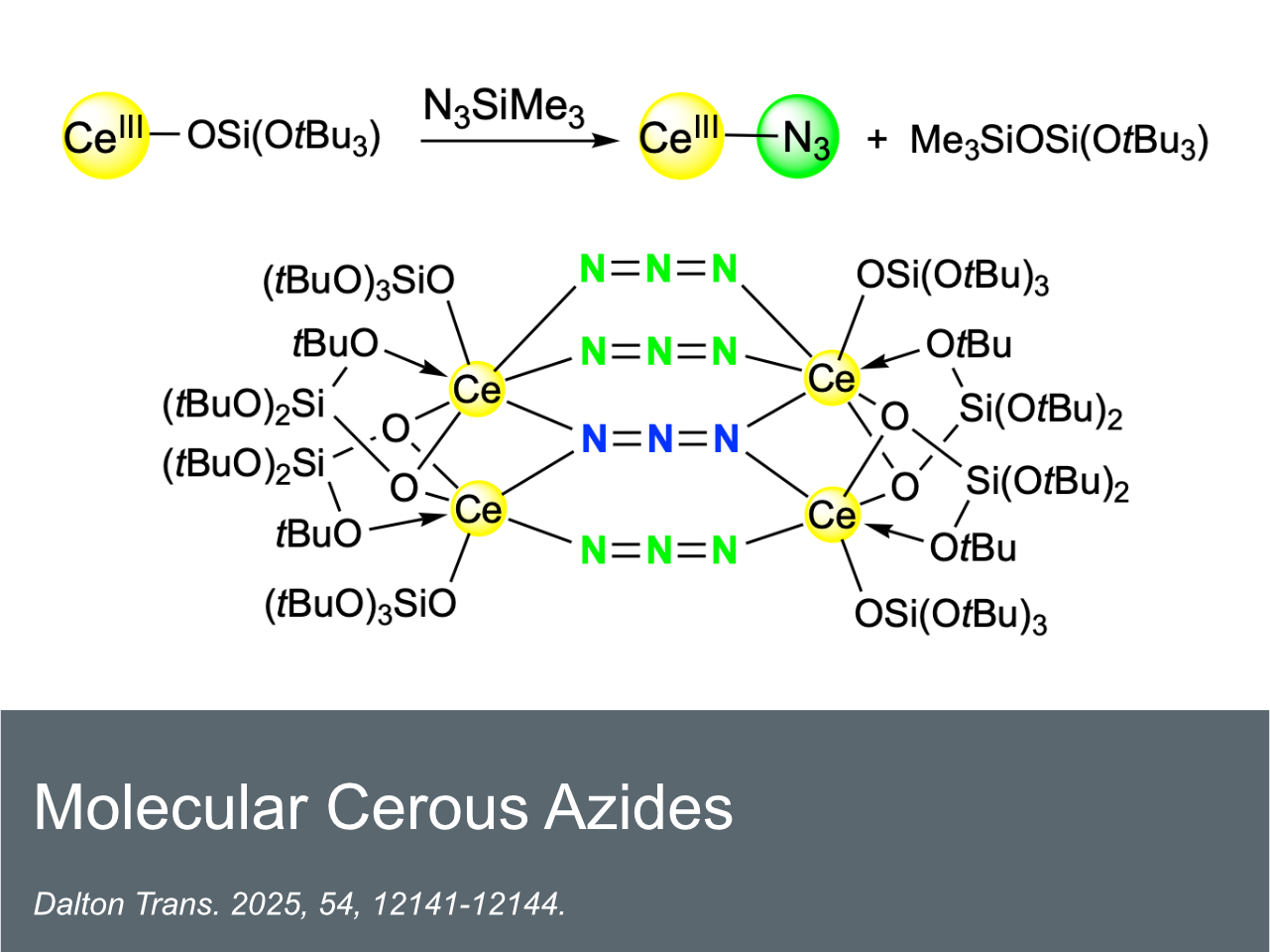
Prof. Anwander's research integrates rare earth metal chemistry with nanostructured materials development. His group pioneers inert-bond activation strategies using multiply bonded ligands, explores the "lanthanide contraction" phenomenon in structural chemistry, and designs catalysts for homogeneous/heterogeneous reactions. Current projects emphasize climate change mitigation through sustainable synthesis pathways and energy-efficient catalytic processes, with strong focus on rare-earth-based nanomaterials for industrial applications.
Scientific Awards:
- DFG Fellowship (Postdoctoral, 1993-1994)
- DFG Fellowship (Habilitation, 1994-2000)
- Karl-Ziegler Fellowship (2001)
- JSPS Fellowship (2012)
Prof. Anwander actively supervises Bachelor, Master, and Ph.D. students alongside postdoctoral researchers. His group secures grants from the German Science Foundation (DFG) and maintains strategic international partnerships. Current research topics for degree theses span organometallic synthesis, nanostructured catalyst design, and computational modeling of rare-earth systems.
The Anwander group operates within Tübingen's Institute of Inorganic Chemistry, featuring specialized labs for air-sensitive synthesis, X-ray crystallography, and catalytic testing. Collaborative teams include crystallographers, computational chemists, and materials scientists working with partners at the University of Sussex (magnetic measurements), University of Calgary (organolanthanide chemistry), and University of Augsburg (quantum-chemical calculations).