معرفی
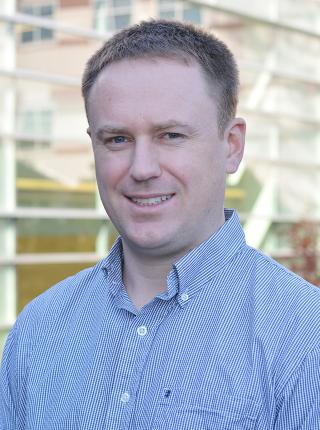
Ranjit S. Bindra holds the distinguished position of Harvey and Kate Cushing Professor of Therapeutic Radiology and Professor of Pathology at Yale School of Medicine. He serves as Vice Chair for Translational Research in Therapeutic Radiology, Scientific Director of the Chênevert Family Brain Tumor Center at Smilow Cancer Hospital and Yale Cancer Center, and is Co-Director of the Yale Brain Tumor Center. Dr. Bindra maintains additional appointments as Professor of Neurosurgery and Pathology, reflecting the interdisciplinary nature of his work.
Dr. Bindra received his undergraduate degree in Molecular Biophysics and Biochemistry from Yale University in 1998, followed by both his MD and PhD from Yale School of Medicine in 2007. He completed his medical internship, radiation oncology residency, and post-doctoral research studies at Memorial Sloan-Kettering Cancer Center in 2012, establishing a strong foundation in both clinical practice and basic science research.
As a physician-scientist, Dr. Bindra's research program focuses on translating cutting-edge basic discoveries into innovative clinical trials for glioma and other solid tumors. His laboratory conducts highly translational research in DNA repair mechanisms, performing small molecule, siRNA, and CRISPR/Cas-based screens to identify novel tumor-specific synthetic lethal interactions. His group made the seminal discovery that oncometabolites produced by IDH1/2-mutant tumors induce a profound DNA repair defect (BRCAness state) that renders them exquisitely sensitive to PARP inhibitors—a finding published in Science Translational Medicine and Nature that has received international attention. More recently, his team has elucidated the mechanistic basis for mutant IDH1/2-induced BRCAness and identified additional synthetic lethal interactions involving PPM1D mutations and NAMPT inhibitors.
Dr. Bindra is actively translating laboratory findings into clinical applications, serving as PI or co-PI of multiple biomarker-driven Phase I/II trials. These include a phase I/II trial specifically targeting the Adolescent/Young Adult (AYA) cancer patient population, and as lead co-PI of a 35-site, NCI-sponsored Phase II trial testing the PARP inhibitor olaparib in adult IDH1/2-mutant solid tumors (NCT03212274). Clinically, he maintains a radiation oncology practice focused on the treatment of adult and pediatric brain tumors.
As a biotech entrepreneur, Dr. Bindra co-founded Cybrexa Therapeutics, a Series B round-funded company focused on developing an entirely new class of small molecule DNA repair inhibitors that directly target the tumor microenvironment. His work bridges the gap between laboratory research and patient care, with particular emphasis on novel nanoparticle-based drug delivery strategies to bypass the blood-brain barrier and enable more efficacious drug combinations for brain tumor treatment.