معرفی
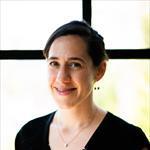
Dr. Randall W. Rupper is an Associate Professor in the Department of Internal Medicine at the University of Utah School of Medicine. He has been affiliated with the University of Utah's Division of Geriatrics and Salt Lake City VA Medical Center since 2003, while also serving as a cancer control investigator at the Huntsman Cancer Institute (HCI) and a member of the Cancer Control and Population Sciences program.
- Medical Degree: Stanford University School of Medicine
- Residency: University of Washington
- Master of Public Health: University of North Carolina
- Fellowships: University of North Carolina-Chapel Hill and University of Utah
Dr. Rupper specializes in geriatrics and health services research for elderly populations, particularly focusing on medical decision-making systems for elderly patients and their caregivers. His work explores innovative models of care access through federal programs like Medicare and the Veterans Health Administration (VHA), including community navigator programs for Native American cancer patients and digital support systems for dementia caregivers. His research bridges public health, telemedicine, and healthcare equity through interdisciplinary collaborations.
The 15 most recent publications reflect Dr. Rupper's sustained focus on veteran and caregiver health, with key themes including dementia care technology (2024), unmet functional needs in elderly veterans (2023), age-friendly care frameworks (2022), and telehealth implementation (2020-2019). His work consistently addresses health disparities, system-based interventions, and caregiver support mechanisms across multiple federal healthcare initiatives.
Dr. Rupper's professional activities include:
- Collaborating with multidisciplinary teams like the Elizabeth Dole Center of Excellence for Veteran and Caregiver Research
- Contributing to national guidelines for senior adult oncology care (2014)
- Developing telemedicine protocols for rural veteran populations
His work integrates clinical practice, population health, and technology to improve healthcare access for vulnerable elderly groups through systematic program evaluation and implementation science.