معرفی
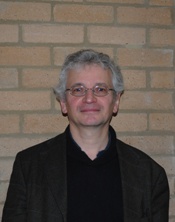
Raf Van Rooy is a tenure-track lecturer at KU Leuven's Faculty of Arts, affiliated with the Special Research Fund (BOFZAP) and the Latin Literature Research Group. He is also a member of LECTIO – KU Leuven Institute for the Study of the Transmission of Texts, Ideas and Images in Antiquity, the Middle Ages and the Renaissance, and serves on the Faculty Council of Arts and Tabularium Council.
His educational background includes linguistics and literature (Latin-Greek) and general linguistics at KU Leuven (2008-12), an Erasmus exchange at Aristotle University of Thessaloniki (2010-11), ancient Indo-European languages at UCLouvain (2012-13), and a PhD in linguistics from KU Leuven (2017) funded by the Research Foundation Flanders (FWO). He later obtained history degrees from KU Leuven and Ghent University.
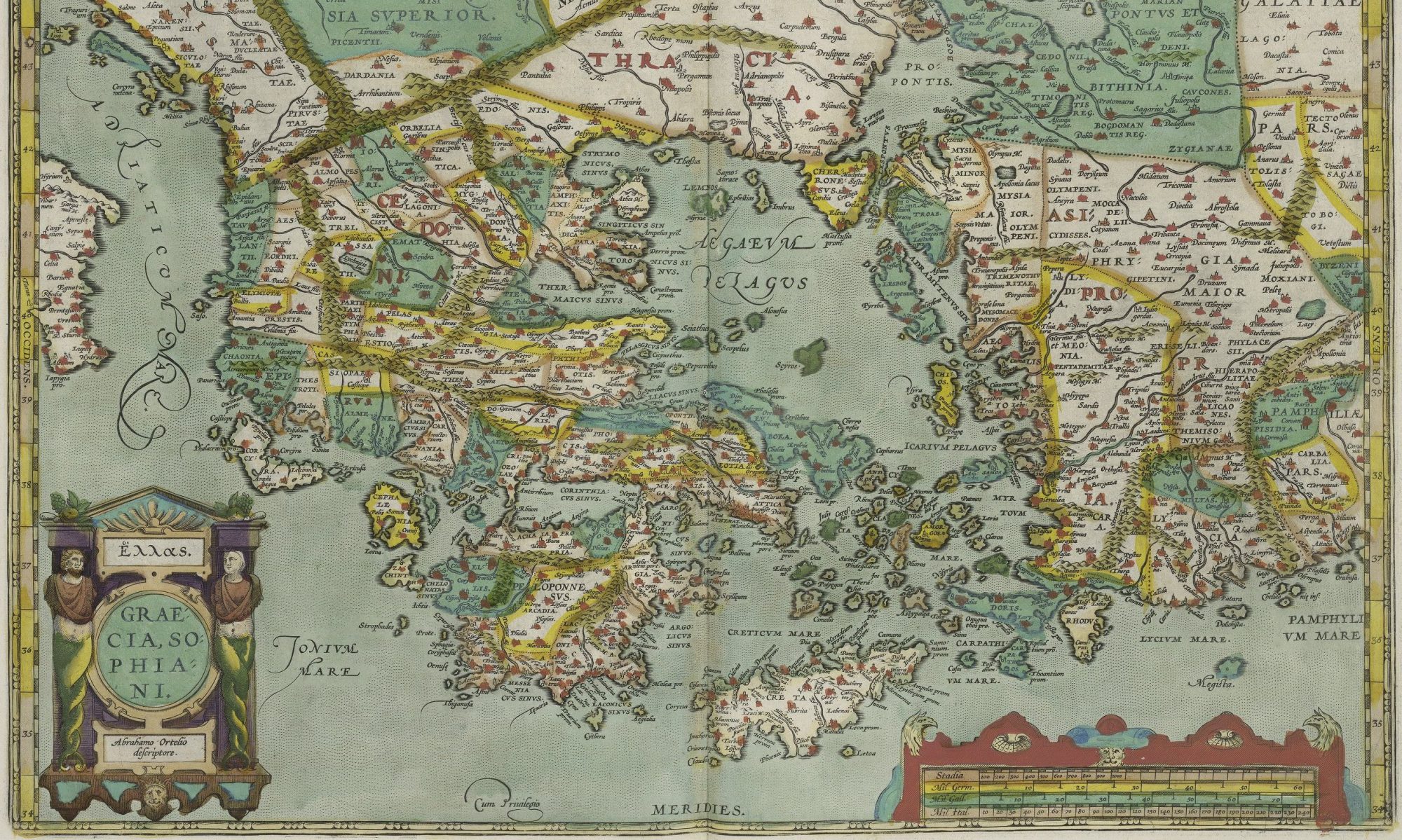
Van Rooy's research focuses on Latin language and literature with special emphasis on Neo-Latin and its interactions with Ancient Greek and vernacular languages. His work explores the reception history of classical antiquity, particularly the Greek heritage in early modern Western Europe. He investigates the Leuven Trilingual College, Latin-Greek code-switching, Neo-Ancient Greek literature, and evidentiality in classical languages. His publications reveal a strong trend toward analyzing multilingual practices in Renaissance humanism, with particular attention to Erasmus and the Low Countries.
His scholarly work has earned him the Research Council Prize in 2021, along with fellowships from the Research Foundation Flanders and the European Commission's Marie Skłodowska-Curie program. Since 2022, he has been co-editor of the international journal Humanistica Lovaniensia and its Supplementa series.
Van Rooy has conducted research at the University of Oslo (through his Marie Curie Fellowship), Edmonton, Gotha, Leiden, and Athens. He is actively involved in multiple research projects as promoter, primarily focusing on Neo-Greek literature in the Low Countries and Latin-Greek code-switching. Beyond academic publications, he engages with broader audiences through media appearances in documentaries and podcasts about Greek language history.
حوزههای پژوهشی