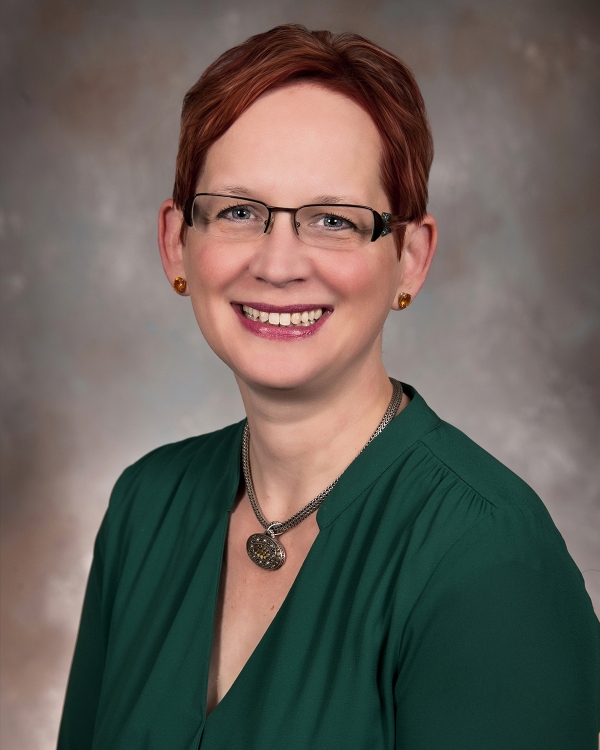
Rachel T. Cox
دانشیار · Mitochondrial Biology
Uniformed Services University of the Health Sciencesمعرفی
Rachel T. Cox, Ph.D., serves as an Associate Professor (Tenured) in the Department of Biochemistry and Molecular Biology at the Uniformed Services University of the Health Sciences (USUHS) School of Medicine, Bethesda, MD. Her research focuses on mitochondrial dynamics and quality control mechanisms during development and disease using Drosophila melanogaster as a primary model system.
Her academic training includes:
- B.A. in Biology from the University of Pennsylvania, Philadelphia, PA
- Ph.D. in Genetics and Molecular Biology from the University of North Carolina - Chapel Hill, Chapel Hill, NC
- Postdoctoral Fellowship at the Department of Embryology, Carnegie Institute for Science, Baltimore, MD
Dr. Cox's research program integrates Mitochondrial Biology, Molecular Genetics, and Developmental Neuroscience to investigate fundamental mechanisms governing mitochondrial movement, function, and quality control. Her work examines how proteins like Clueless regulate mitochondrial subcellular localization and interact with pathways such as PINK1-Parkin, with direct implications for understanding neurodegenerative disorders and mitochondrial diseases.
Analysis of her publication record reveals consistent exploration of mitochondrial RNA processing, tRNA maturation defects in disease models, and conserved mechanisms of mitochondrial quality control across species. Her research bridges basic molecular mechanisms with translational applications in human disease modeling.
Dr. Cox has received significant recognition including:
- Helen Hay Whitney Postdoctoral Research Fellowship (1999-2002)
- Hébert School of Medicine Faculty Impact Award (2015 and 2017)
- Outstanding Biomedical Educator Award (2018)
While specific grant details are not provided in source materials, her sustained research program since 2008 demonstrates successful funding for mitochondrial studies. Dr. Cox actively contributes to biomedical education at USUHS, as evidenced by her 2018 educator award.
Her laboratory employs Drosophila genetics and molecular techniques to dissect mitochondrial dynamics during oogenesis and neurodevelopment, with particular emphasis on how mitochondrial dysfunction contributes to disease pathogenesis and potential therapeutic interventions.