معرفی
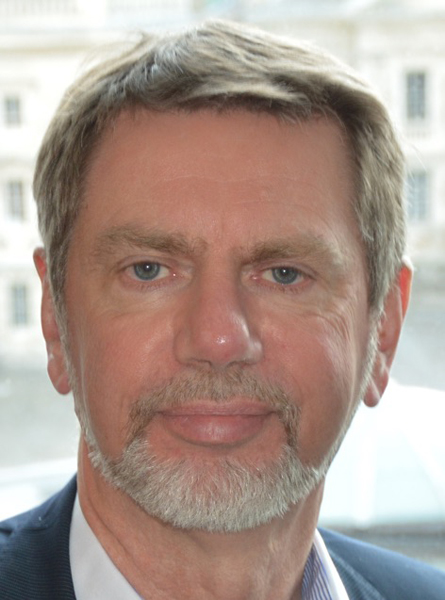
Poul Duedahl is a Professor in the Department of Politics and Society at Aalborg University, Faculty of Humanities and Social Sciences. He is a leading scholar in modern cultural history, with a focus on UNESCO, transnational institutions, and public memory. His research integrates academic rigor with public engagement, as seen in his roles as a historical consultant and public commentator.
- Institution: Aalborg University
- School: Faculty of Humanities and Social Sciences
- Department: Department of Politics and Society
- Position: Professor
His research interests center on modern cultural history, global intellectual movements, and the role of international organizations in shaping cultural narratives. He explores themes such as marginality, borders, heritage, and the construction of national and global identities. His work bridges academic history and public discourse, emphasizing the relevance of historical understanding in contemporary societal debates.
Duedahl’s publications reflect a strong trend in global and transnational history, particularly focusing on UNESCO’s impact on cultural diplomacy, education, and heritage. His books and edited volumes analyze how international institutions have shaped postwar intellectual and cultural landscapes. Recent works examine historical memory, social exclusion, and the lessons of crises like the pandemic, demonstrating a consistent engagement with both historical depth and present-day relevance.
- Knight of the Order of the Dannebrog (2024)
- G.E.C. Gads Hæderspris (2024)
- Erik Kjersgaard Prisen (2023)
- Sapere Aude: DFF-forskningsleder (2013)
- Videnskabsministeriets EliteForsk-rejsestipendium (2007)
Duedahl has supervised PhD students and leads major research projects funded by national and international bodies. He collaborates extensively with scholars across Europe and beyond. His advisory roles for public authorities and media engagement highlight his commitment to translating historical research into policy and public understanding. He is also active in academic service, including editorial work, peer review, and conference organization.
He leads or co-leads several significant research initiatives, including 'Routes of Knowledge' and 'The Island of Deviants,' often in collaboration with foundations and public institutions. His work is deeply embedded in both academic networks and societal applications, reflecting a holistic approach to historical scholarship.