معرفی
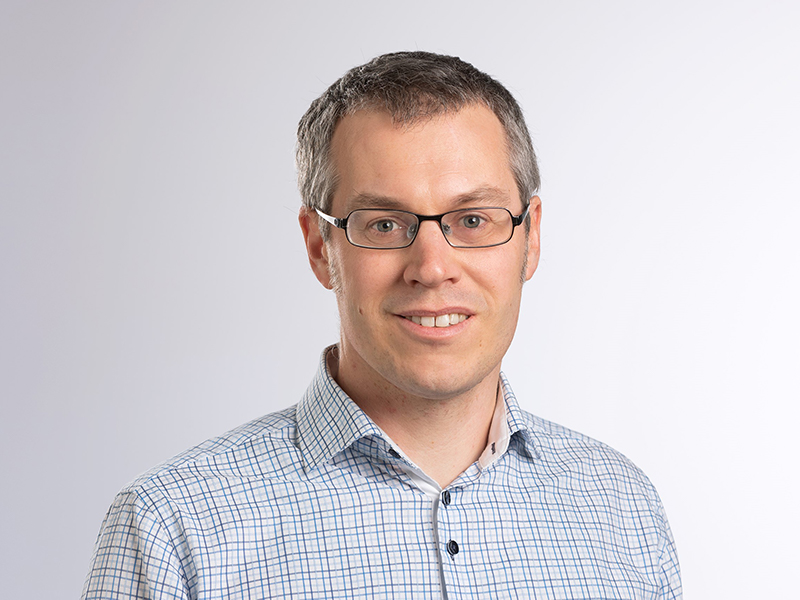
Philipp Engel is an Associate Professor in the Department of Fundamental Microbiology at the University of Lausanne (UNIL), Faculty of Biology and Medicine, where he leads a research group focused on host-microbe symbiosis using the honeybee as a model organism. Appointed in 2019, he has been at UNIL since 2014, establishing his lab through an SNSF Ambizione grant. He is also deputy director of the National Center of Competence in Research 'Microbiomes', a major collaborative initiative between UNIL and EPFZ.
Engel’s research lies at the intersection of microbiology, genomics, bioinformatics, and evolutionary biology. His work investigates how gut microbiota influence bee health in terms of nutrition, behavior, and resistance to environmental stressors. He employs interdisciplinary methods—combining experimental and computational approaches—to study microbial colonization, metabolic interactions, and the evolution of symbiotic relationships. His findings not only contribute to understanding bee population decline but also provide insights into human microbiome dynamics due to functional similarities.
His recent publications highlight trends in microbial ecology, genetic engineering of bacteria, nutrient sharing among gut microbes, and the impact of microbiota on host behavior. These works reflect a strong focus on functional microbiome analysis, interspecies microbial communication, and applications in both natural and synthetic systems.
His scientific achievements have been recognized with several prestigious awards:
- Prix Amerbach, University of Basel (2012)
- Human Frontier Science Program Young Investigator Grant (2016)
- ERC Starting Grant (2017)
- SNSF Consolidator Grant (2022)
Engel is actively involved in academic mentoring and teaching, having organized and delivered courses in microbiology and infectious diseases. Since 2014, he has led modules on microbial ecology and signaling. His lab, the Engel Lab, drives innovative research in microbiome science and trains the next generation of microbiologists. As deputy director of the NCCR Microbiomes, he plays a key leadership role in a national research initiative that fosters interdisciplinary collaboration across institutions.