معرفی
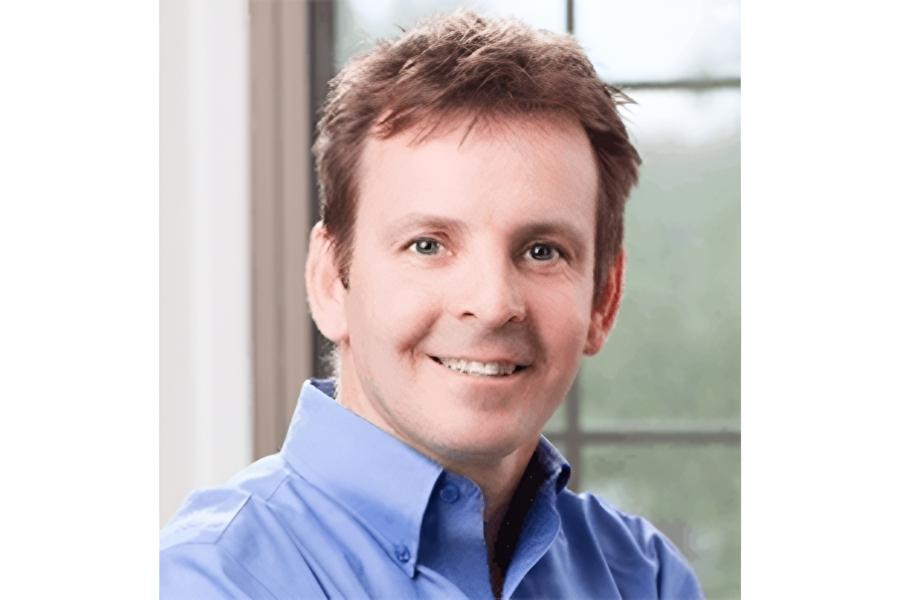
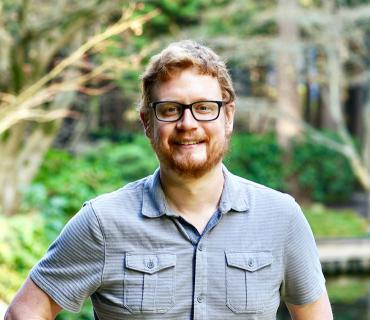
Philip Matthews is an Associate Professor in the Department of Zoology within the Faculty of Science at the University of British Columbia. He leads the Matthews Lab, which focuses on Comparative Respiratory Physiology and Biomechanics. Dr. Matthews joined UBC in 2014 after completing his PhD at the University of Adelaide (2008) and holding ARC Postdoctoral Fellow and ARC Discovery Early Career Research Award positions at the University of Queensland (2008-2014).
Dr. Matthews' research program centers on understanding the respiratory adaptations of insects, particularly those that have re-adopted an aquatic lifestyle. His work explores how insects have adapted their tracheal gas exchange systems to function in different environments, leading to investigations of unusual biomechanical systems in insects. Current projects include studying how aquatic chaoborid midge larvae control buoyancy and examining the energetics and mechanics of bugs that generate megapascals of tension within their feeding pumps to suck xylem sap from plants.
The Matthews Lab employs a wide range of experimental techniques, including in vivo measurements using implantable fiber-optic sensors, flow-through respirometry systems, video tracking, and motion detectors. They have developed microscopic implantable oxygen sensors (FIETs) for non-invasive monitoring of O2 levels within small organisms. The lab has published numerous high-impact papers in journals including Current Biology, Proceedings of the Royal Society B, and Journal of Experimental Biology, with several publications featured in the New York Times.
Dr. Matthews has received significant funding for his research, including NSERC Discovery Grants, an NSERC Accelerator Award, and a CFI JELF grant for the Facility for the Study of Insect Adaptability and Physiology (FSIAP). His work has been recognized with prestigious awards, including the Journal of Experimental Biology's Outstanding Paper of 2019 for his research on spittlebug respiration.
Dr. Matthews has mentored numerous graduate and undergraduate students, including PhD candidates, MSc students, and summer scholars. His former students have gone on to win awards and achieve success in their careers. He teaches courses including Biol 453 (Insect Physiology), Biol 325 (Introduction to Animal Mechanics and Locomotion), and Zool 503 (Comparative Animal Physiology Seminar Series). The lab is actively recruiting new PhD students for 2025/26 to study xylem feeding in cicadas and the evolution of biomolecular adaptations in Chaoborus midges.