معرفی
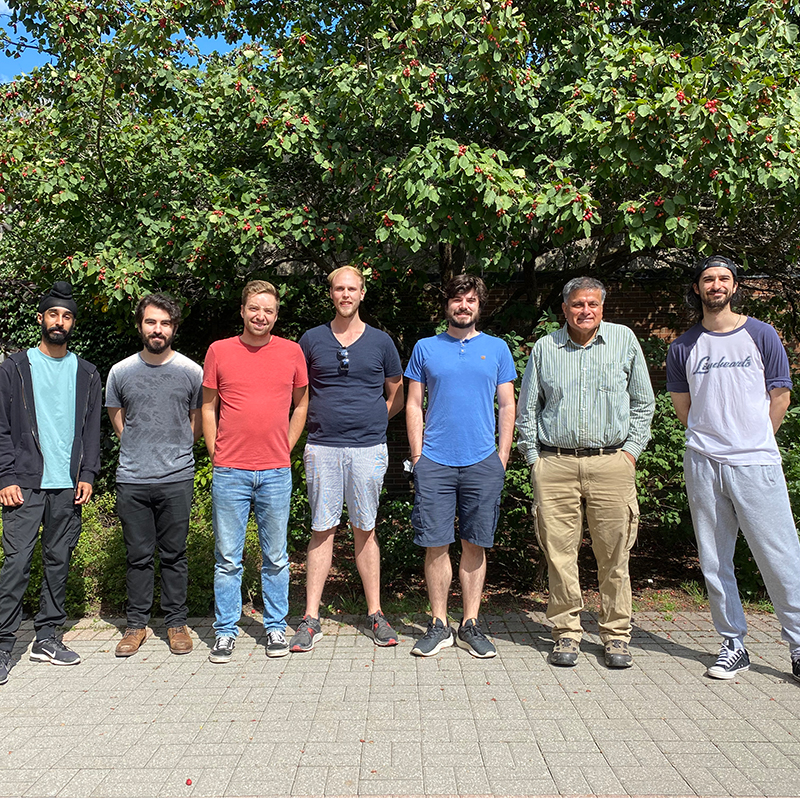
Andrew Donini is an Associate Professor in the Department of Biology at York University, Canada. His research focuses on the physiological mechanisms enabling aquatic insect larvae to survive environmental challenges such as high ammonia levels and salinity changes. He leads the Donini Lab, which investigates ammonia excretion in mosquitoes (Aedes aegypti) living in ammonia-rich habitats and studies how freshwater insects cope with salination caused by rising sea levels and road salt runoff.
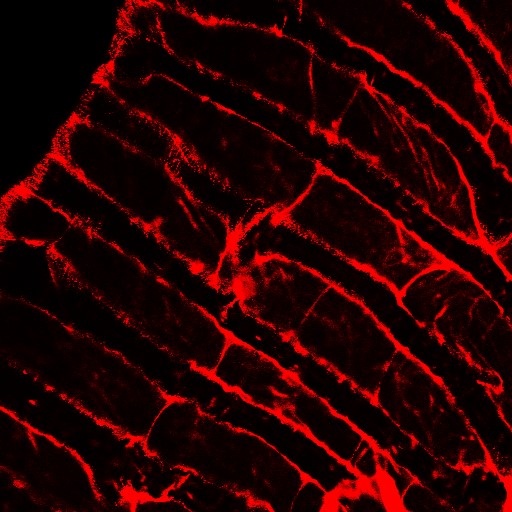
Donini teaches courses on invertebrate physiology, comparative animal physiology, and epithelial physiology at both undergraduate and graduate levels. His lab uses molecular, cellular, and whole-organism approaches to study ion transporters, aquaporins, and septate junctions in osmoregulatory organs like Malpighian tubules and anal papillae. Recent work includes discoveries about AeAmt2's role in mosquito sperm fertility and Aedes aegypti's adaptation to high ammonia environments.
Research highlights include studies on cold tolerance plasticity in Drosophila, salt stress effects on mayfly physiology, and the role of neuroendocrine factors in regulating epithelial transport. His work addresses global challenges like climate change impacts on freshwater ecosystems and disease vector persistence in non-traditional habitats.
Donini has advised students such as Andrea Durant (PhD), Elia Grieco Guardian (MSc), and Fargol Nowghani (MSc), with notable achievements including high-impact publications in PNAS and Aquatic Toxicology. The lab is funded by NSERC Canada and other grants to study insect osmoregulation and environmental physiology.