Philip D Zimmerman
پژوهشگر ارشد · Early American Decorative Arts
Franklin and Marshall Collegeمعرفی
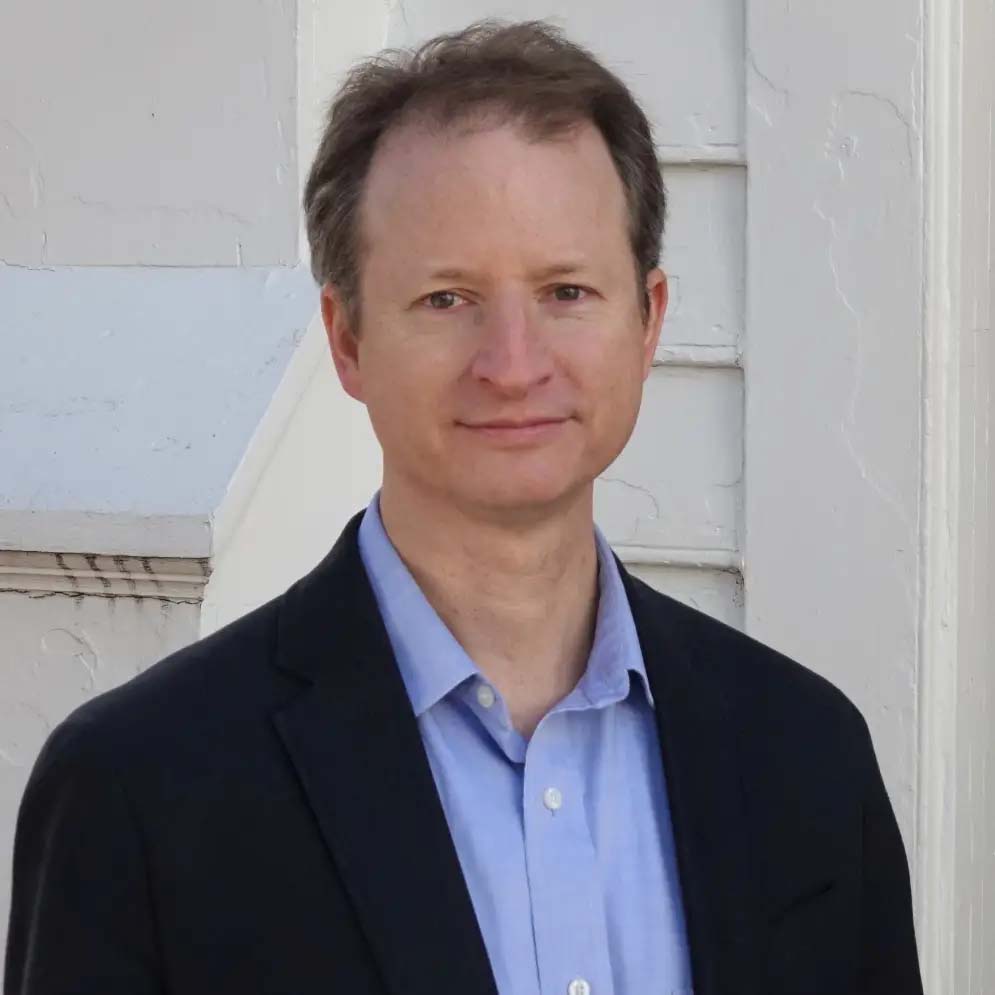
Philip D Zimmerman serves as Visiting Scholar of History at Franklin & Marshall College, bringing decades of expertise in early American decorative arts and material culture. A former Senior Curator at Winterthur Museum and consultant for major institutions like the New-York Historical Society, he bridges academic research with practical museum stewardship through publications, teaching, and preservation advocacy.
His educational foundation includes:
- Ph.D. in American and New England Studies, Boston University (1985)
- M.A. in Early American Culture, Winterthur Program/University of Delaware (1980)
- B.A. in Philosophy, Yale University (1972)
Zimmerman's research centers on two interconnected domains: the material world of early American furniture—particularly Philadelphia cabinetmaker William Savery and the Historic Odessa Foundation collections—and the cultural significance of William Rush's 1790 Indian figurehead. His methodology combines rigorous object analysis with social history, revealing how furniture reflects identity, trade networks, and craftsmanship across colonial and federal America. This approach has reshaped understanding of regional styles, maker's marks, and transatlantic influences in decorative arts.
His 15 most recent publications demonstrate consistent focus on furniture chronology, regional variations, and attribution challenges. Key trends include deepening analysis of Philadelphia craftsmanship, expanding study of ethnic influences like Swedish-American traditions, and innovative dating methodologies for furniture labels and forms. The work increasingly connects objects to broader historical narratives of community, trade, and cultural exchange.
Zimmerman's professional impact extends beyond publications through significant preservation roles: as Pennsylvania Historical & Museum Commission commissioner (2016-2023), trustee of Preservation Pennsylvania (until 2020), and advisor during critical institutional transitions like the New-York Historical Society's financial stabilization. His NEH-funded exhibition development at Winterthur underscores sustained engagement with public history.