معرفی
Associate Professor Peter Michael Moyle is a distinguished researcher and educator at The University of Queensland's School of Pharmacy and Pharmaceutical Sciences within the Faculty of Health, Medicine and Behavioural Sciences. With over 95 publications and an H-index of 30 (>2600 citations as of August 2024), Dr. Moyle leads a cutting-edge research program focused on peptide and protein therapeutics, vaccine development, and drug delivery systems. He serves as Director of Higher Degrees by Research for the School of Pharmacy and is actively engaged in teaching undergraduate pharmacy courses.
Dr. Moyle received his Bachelor of Pharmacy (Hons I) in December 2001 and PhD in December 2006, both from The University of Queensland. He completed the Pharmaceutical Society of Australia pre-registration pharmacist-training course in November 2002 and is registered with the Pharmacy Board of Australia. His postdoctoral training was conducted under Professor Tom Muir at the Rockefeller University in New York, a world-renowned chemical biologist.
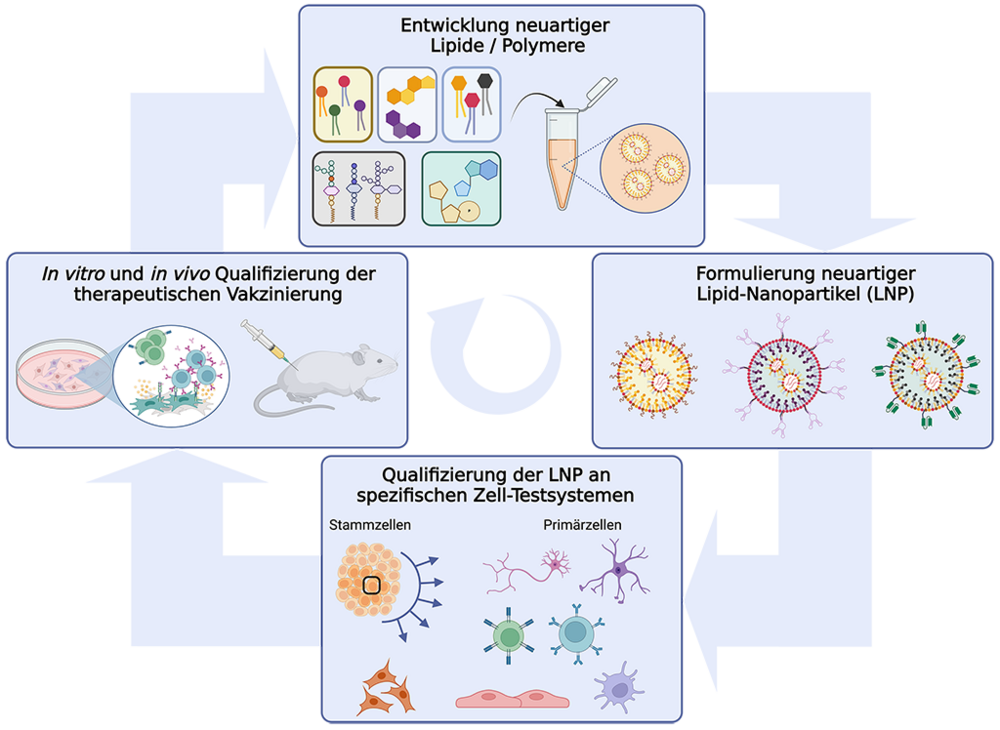
Dr. Moyle's research program employs cutting-edge technologies for peptide synthesis, protein expression, and protein semi-synthesis to gain insights into biochemical pathways and engineer better therapeutics. His laboratory focuses on five key areas: Subunit Vaccine Development through recombinant and synthetic approaches; Delivery Systems for Nucleic Acid-Based Molecules including siRNA, mRNA, pDNA and CRISPR-Cas9; Deciphering Post-Translational Modifications using protein semi-synthesis; Peptide/Protein Drug Delivery to improve stability and targeting; and New Approaches for Superbugs using antivirulence formulations. His work bridges medicinal chemistry, chemical biology, and pharmaceutical sciences to address critical challenges in drug development.
Analysis of Dr. Moyle's recent publications reveals a strong focus on targeted delivery systems for nucleic acids and peptide therapeutics, with increasing emphasis on antimicrobial resistance solutions and novel vaccine platforms. His research shows consistent progression from fundamental chemical biology techniques toward translational applications, particularly in the areas of streptococcal vaccines, CRISPR delivery systems, and GLP-1 based diabetes treatments. The interdisciplinary nature of his work is evident in collaborations spanning chemistry, microbiology, immunology, and clinical research.
Dr. Moyle has received several prestigious awards recognizing his contributions to research and teaching:
- Health and Behavioural Sciences (HABS) faculty commendation for Early Career Citations for Outstanding Contributions to Student Learning (ECCOSL) (2016)
- ChemMedChem top 10 cited article of 2013 (2015)
- Highest ranked NHMRC development grant (2013; APP1074899) (2014)
- Institute for Molecular Biology (IMB) Division of Chemistry and Structural Biology Prize (2013)
Dr. Moyle actively supervises numerous graduate students across diverse research projects spanning vaccine development, peptide delivery systems, and antimicrobial research. His current supervision includes principal advisor roles for projects on peptide-based gene editing delivery, recombinant nucleic acid delivery platforms, topical skin formulations, tumor-targeted gene delivery, and antivirulence nanoformulations. He has secured significant research funding including ARC Discovery Projects, NHMRC grants, and Queensland Emory Development Alliance funding for projects developing multicomponent delivery platforms for vaccines and nucleic acid therapeutics.
The Moyle Laboratory (www.moylelab.com) operates at the intersection of chemical biology and pharmaceutical sciences, employing state-of-the-art techniques in peptide synthesis, protein engineering, and nanomedicine. The lab collaborates extensively with researchers at UQ, QIMR Berghofer, and international institutions, particularly in the development of novel vaccine platforms against Group A Streptococcus and delivery systems for next-generation therapeutics. The laboratory maintains strong industry connections and focuses on translating fundamental discoveries into clinically relevant applications.